Pocket Tour Guide
Kyoto
Kyoto · Japan

Hidden Kyoto: History & Serenity

9.5hDuration
6Stops
19.2 kmDistance
The city

Kyoto

Listen

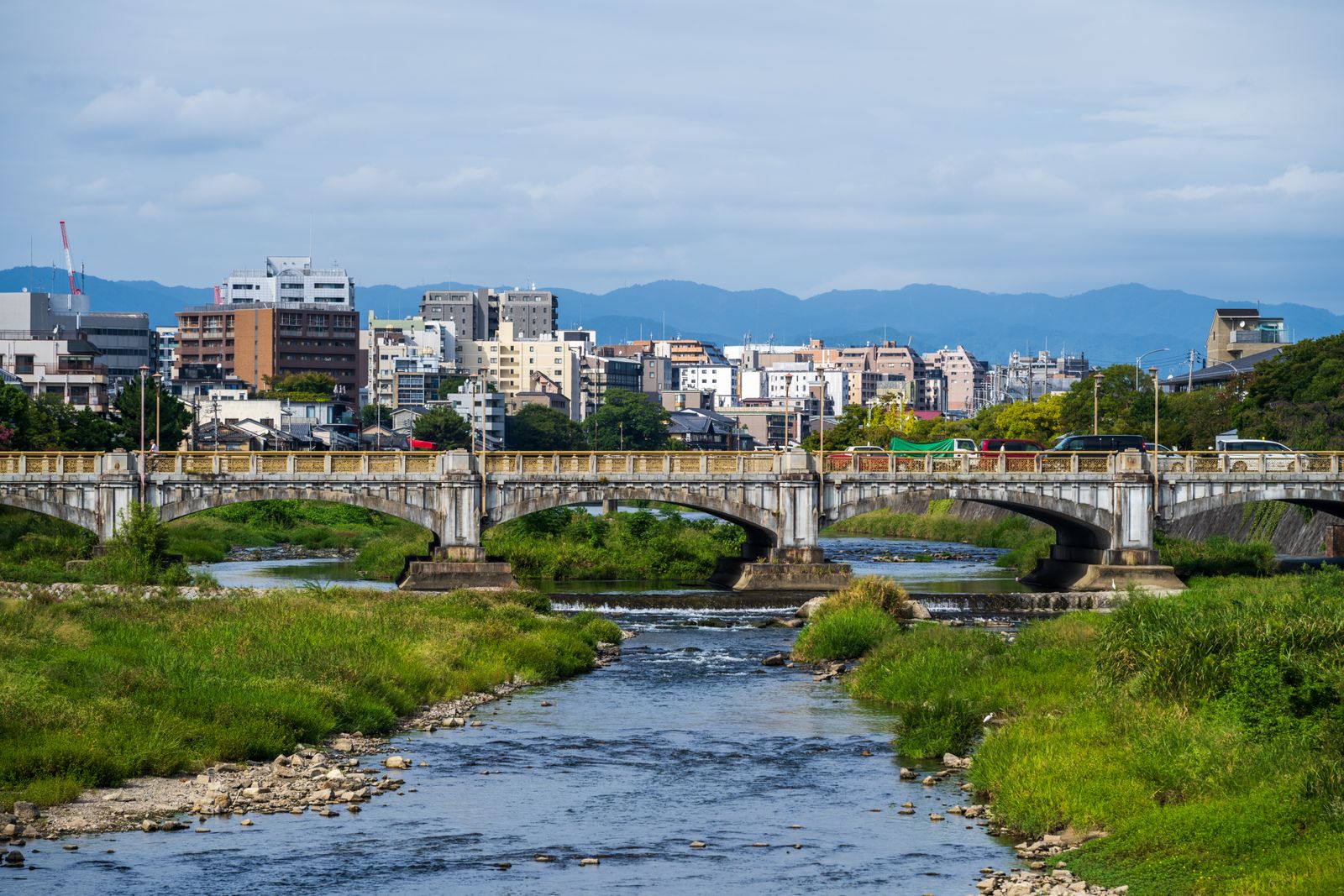
In Kyoto, morning light spills gently over ancient temples and narrow lanes, whispering tales of a timeless city. As you step out, feel the embrace of history mingling with the rhythm of modern life. The city unfurls like a scroll, with its grid of streets tracing paths once tread by emperors and poets, where each turn offers a glimpse into the soul of Japan.

Start your journey in the quiet alleys of Gion, where wooden machiya houses stand as guardians of old traditions. It’s a place where the echoes of geisha footsteps can almost be heard on the cobblestones, and if you listen closely, the wind carries the soft hum of a koto from a distant teahouse. The cherry blossom trees, if in bloom, cast a delicate pink hue over the streets, their petals dancing gracefully to the ground.

As you wander, let the scent of incense guide you to Kiyomizu-dera, perched elegantly on the hillside, offering a view that sweeps across the city. Here, feel the cool touch of the temple’s wooden railings, centuries old, polished by countless hands—each with its own story. Kyoto is a city of seasons, and today it opens its arms in welcome, inviting you to find beauty in every moment, in every step. Embrace this day with a heart open to wonder, for in Kyoto, the present is a tender thread woven through the tapestry of the past.

The route

6 stops through Kyoto

1
Kinkaku-ji
temple

Kinkaku-ji

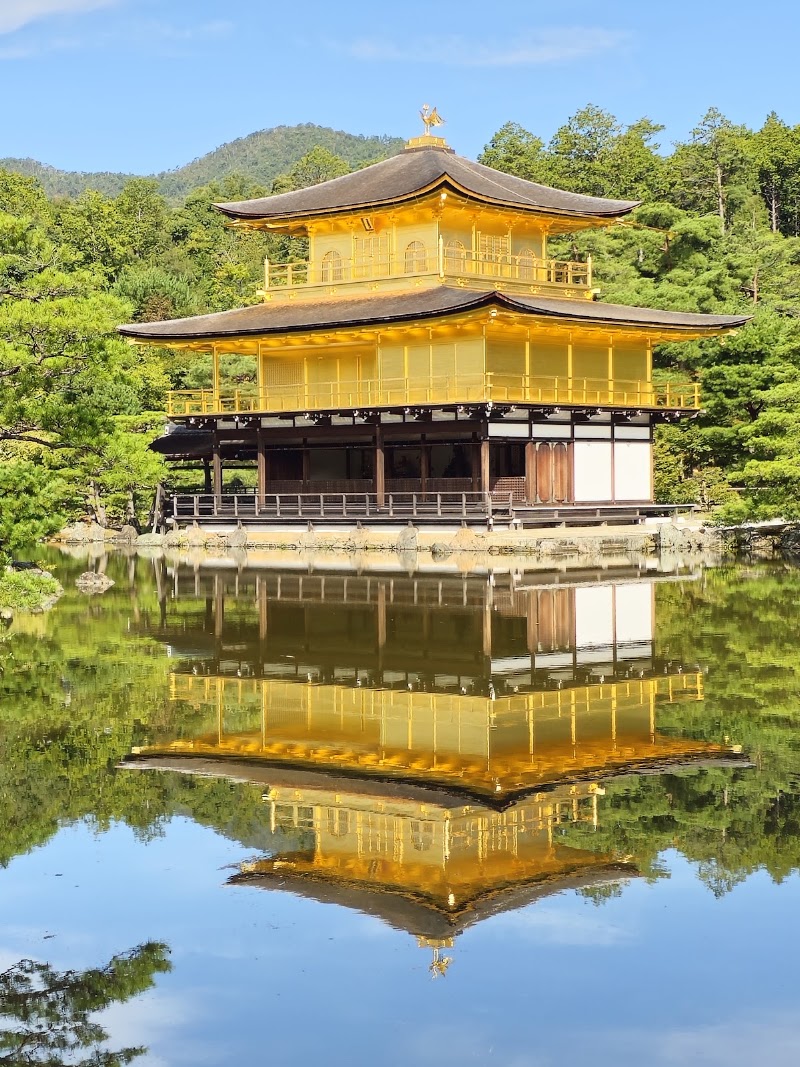
Marvel at the sparkles of the Golden Pavilion against the serene pond.

60 min · rated 4.6

Marvel at how the sun's rays dance upon the golden skin of the Golden Pavilion, transforming it into a gleaming jewel set amidst lush greenery and tranquil waters. Each layer of gold leaf shimmers with stories of its own, whispering tales of shoguns and monks who once found solace and inspiration within its walls. The pavilion seems almost to float, a vision of perfect harmony, reflecting in the mirror-like pond that stretches peacefully before it.

Centuries ago, this was the retreat of Ashikaga Yoshimitsu, a shogun who sought peace and beauty in his final years. It was his dream that breathed life into the pavilion, and you can still feel a touch of his spirit in the gentle rustle of the surrounding pines. The serene setting invites a kind of meditative gaze, urging you to linger a little longer with each gentle ripple across the water.

A lesser-known detail: find the pair of islands tucked within the pond. One of them, is shaped like a turtle to symbolize longevity and protection. It’s easy to overlook, but once noticed, it becomes part of the tapestry of nature’s subtle artistry that complements the man-made elegance standing tall above it.

Listen closely, and you may catch the rhythmic murmur of a passing breeze through the temple's gardens. The sound is a reminder of the ongoing conversation between nature and the pavilion. Crickets and birds often add their voices, enhancing the sense of timelessness that makes this place feel so alive.

Before you continue your journey, find a secluded spot nearby and pause for a moment. Consider the reflections on the water and within yourself, for they often reveal something unexpected. As you do, let the echoes of history and the beauty of Kinkaku-ji settle gently into your memory.
2
Ryōan-ji
temple

Ryōan-ji

Contemplate the mysterious Zen rock garden at Ryoan-ji.

45 min · rated 4.5

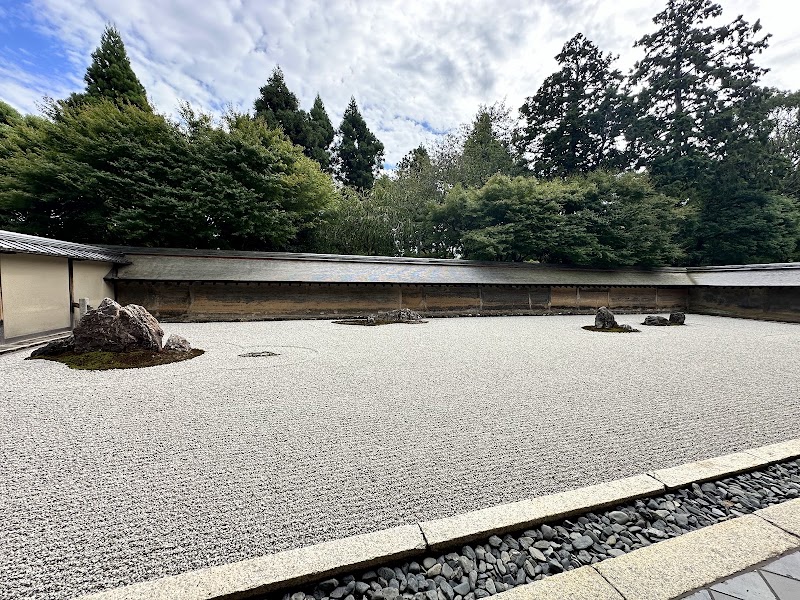
Beneath the gentle sway of ancient trees, the Zen rock garden of Ryōan-ji unfolds like an unfathomable riddle. Fifteen stones, harmoniously placed within fine raked gravel, yet from any vantage point, only fourteen are visible. They say that only through enlightenment can one behold them all. As you stand before this timeless arrangement, feel the delicate dance between what is seen and what lies just beyond perception.

Soft whispers of the wind weave through the garden, carrying with them centuries of silence. This place, once a grand estate in the fifteenth century, shelters secrets of samurai and poets alike. Its name echoes through time—Ryōan-ji, the Temple of the Dragon at Peace—a nod to the stillness within, teaching us to find tranquility amidst life's storms.

Gently, a pine needle falls onto the stones, unnoticed by many but known to those who listen closely. A detail often missed is the moss surrounding each rock, cradling them like islands in a sea of white. This simple prominence of moss reflects nature’s hand in the human-made, reminding us of the harmony once sought by ancient Zen masters.

Notice too the subtle effort of the raked gravel, lines drawn anew each day. This quiet ritual transforms the garden into a living canvas, capturing fleeting moments only to release them again, much like the ebb and flow of our thoughts.

As you take a deep breath, let the serenity seep into your bones. Walk the path around Kyoyochi Pond, savoring the reflection of the sky on the water. When you return to the rock garden, bring with you a fresh perspective, and perhaps, just for a heartbeat, catch a glimpse of the mystery that thrives in the space between stones.

3
Ninna-ji Temple
temple

Ninna-ji Temple

Explore the World Heritage Site with stunning pagodas and gardens.

45 min · rated 4.4

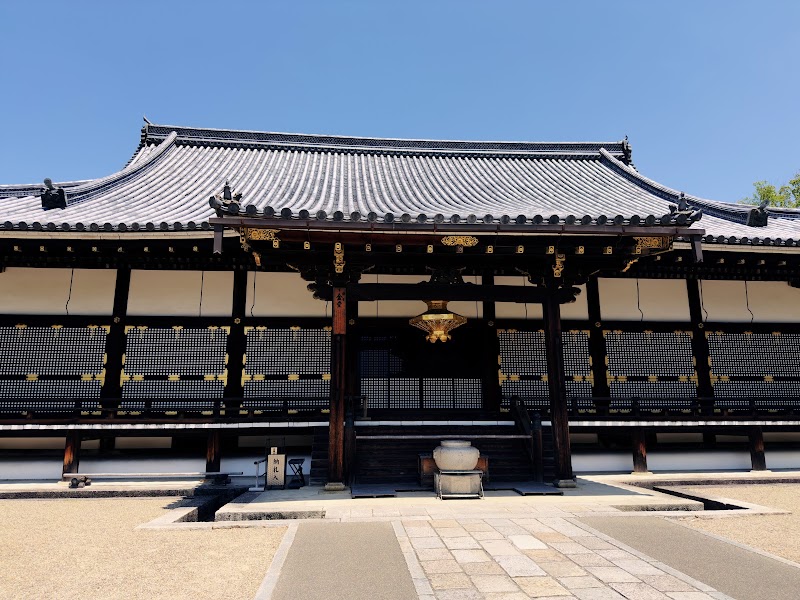
Can you hear the gentle rustle of the pines as the breeze meanders through the ancient grounds of Ninna-ji Temple? Established in 888 AD, it's not merely a historical site but a living tapestry of Kyoto’s past. Notice the five-storied pagoda reaching skyward, its silhouette a delicate brushstroke against the horizon. Each tier seems to hold whispers of the centuries, layered with the stories of monks and emperors who once sought solace here.

As your feet tread softly upon the worn stones, you might catch the faint, lingering scent of incense. The gardens surrounding you are a painter’s palette come alive. In spring, the Omuro cherry blossoms, unique to this temple, burst into a dance of pale pink petals, inviting peace with their fleeting beauty. There’s something deeply comforting in witnessing their annual flourish, echoing the Buddhist appreciation for life’s impermanence.

Wander towards the Goten, the former residence of the head priest. It resembles a scaled-down version of an imperial palace, with its subtle elegance and sliding paper doors opening to serene rock gardens. Listen closely: you might hear the soft trickle of water, artfully guiding your senses to a place of calm reflection.

Amidst the grandeur and the ritual, many visitors miss the simple joy of greeting the gardeners tending to these storied landscapes. It’s their gentle hands that continue the legacy, nurturing each leaf and stone with a reverence that only comes from deep-rooted connection.

Before you leave, pause for a moment to stand by the bell tower. Give yourself the chance to truly listen. As the deep, resonant chime rings out, let it remind you of time’s unending flow, and the silent stories these grounds continue to tell.

4
Okochi Sanso Garden
nature

Okochi Sanso Garden

Discover a hidden gem with panoramic views of Kyoto’s landscapes.

45 min · rated 4.7

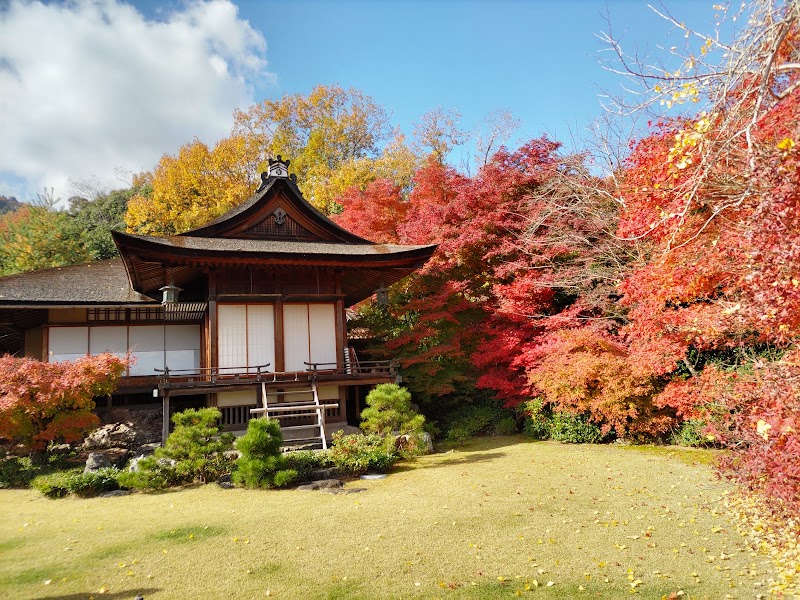
High above the city’s teeming streets, the Okochi Sanso Garden offers a tranquil embrace that whispers of another time. Bamboo sways gently, creating a soft rustle as if nature itself breathes a sigh of contentment. This exquisite garden was crafted by the beloved silent film actor, Denjiro Okochi, whose devotion to beauty and serenity leaves a lasting legacy of stillness and reflection.

As you wander along the meandering paths, each step feels like a scene change in one of Okochi’s films. A moss-covered stone lantern stands quietly by a small pond, where tiny ripples dance in the sunlight. It's said that Okochi himself would often walk these paths, finding inspiration in the delicate dance of shadows against the vibrant greens of carefully curated trees and shrubs.

Most visitors might miss the hidden lookout point nestled amidst the garden's highest reaches. From here, the panorama of Kyoto unfolds, revealing a tapestry of ancient rooftops and distant hills that seem to stretch into forever. In spring, this vantage offers a cascade of cherry blossoms, painting the landscape in gentle blushes and whites, while in autumn, the fiery hues of maple leaves melt into the horizon like a rich tapestry.

The tea house, one of the garden’s quieter corners, invites contemplation. Imagine sitting there, steaming matcha in hand, savoring the feel of the warm cup, the gentle breeze carrying the scent of greenery, while the city hums distantly below. This simple ritual connects us to centuries of tradition, a moment suspended in the flow of time.

As you prepare to linger a little longer, consider walking down the path lengthened by the afternoon light. Notice how the garden breathes with you, each turn revealing a new, delicate angle to appreciate. Such are the rewards of slowing down in the Okochi Sanso Garden, where each moment is a small gift, wrapped in tranquility and tied with a ribbon of history.

5
Nishiki Market
market

Nishiki Market

Experience local life and Kyoto's culinary delights at Nishiki Market.

45 min · rated 4.3

Kyoto’s heartbeat thrums softly beneath the lanterns of Nishiki Market, where the air is rich with the aroma of sizzling yakitori skewers and freshly grilled eel. The narrow, bustling arcade stretches before you like a painter's vibrant palette, each stall offering a glimpse into the culinary soul of Japan. Here, the chorus of merchants calling out their wares mingles with the gentle sound of laughter and conversation, creating a melody of daily life.

As you wander further in, let your gaze fall upon the delicate display of pickled vegetables—tsukemono—each one a vibrant jewel glistening in its briny bath. A sudden tangy sweetness fills the air, and you might be tempted to sample a sliver of pickled plum or radish, experiencing firsthand the bright, contrasting flavors that have been cherished for generations. It's a practice that as much reflects the changing seasons as it does the art of patience and care.

Over there, amidst the vibrant chaos, watch an artisan crafting delicate sweets called wagashi, each one shaped like a tiny blossom or an intricate fruit. Beneath his hands, sugar and bean paste become an edible masterpiece, reflecting the beauty of nature in every small detail. This is a treat not just of taste, but a feast for the eyes and spirit, rooted deeply in Kyoto's celebration of its seasons.

Tucked in one corner, a tiny shop offers something most miss—the chance to savor obanzai, Kyoto's home-style cooking. Tap into an authentic slice of daily life as you taste simple yet profound dishes made from seasonal vegetables and dashi broth. It's a fleeting glimpse into the flavors that fuel the homes of this ancient city.

As you lose yourself in this tapestry of taste and tradition, take a moment to notice the careful craftsmanship of the traditional tsukemono barrels or the patterns on the tatami mats beneath your feet. Next, allow yourself the simple joy of pausing by a stall to savor the rich, slightly burnt fragrance of matcha green tea. Here, in the heart of Nishiki Market, you aren’t just visiting—you’re collecting stories, one bite at a time.

6
Pontocho Alley
neighborhood

Pontocho Alley

Walk through the narrow streets of this historic nightlife district.

30 min · rated 4.5

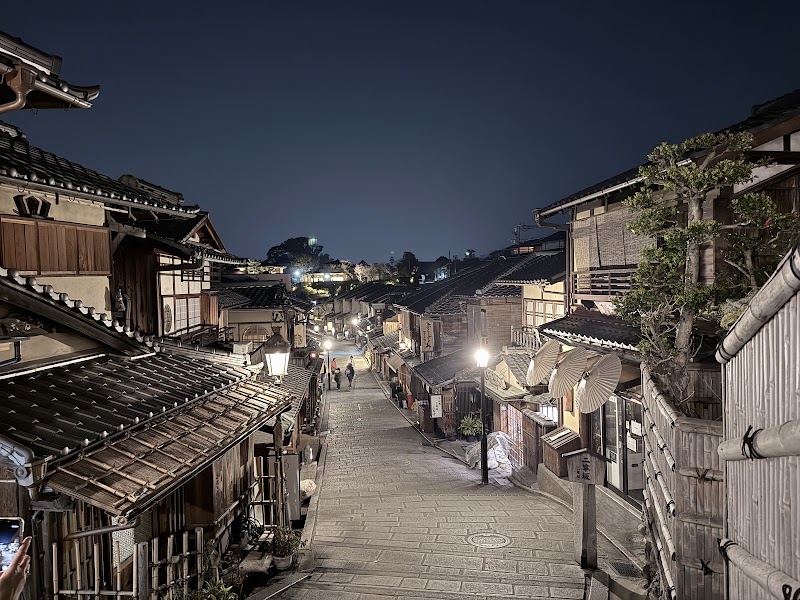
The narrow streets of Pontocho Alley invite you into a world where time dances gracefully between shadows and light. Lanterns sway gently above, casting a warm, inviting glow that whispers secrets of the past. This sliver of Kyoto is one of its most cherished hanamachi, or geisha districts, where the air is still tinged with whispered stories and lingering fragrances of the cultural ceremonies that happen behind closed doors.

Here, the cobblestones are worn smooth by centuries of footsteps, each with its own tale. You might catch a fleeting glimpse of a maiko—an apprentice geisha—her expression serene, almost otherworldly, as she moves with fluid elegance to her evening engagement. It's like watching a moving painting, where art and life blend seamlessly.

It's easy to wander and miss the tiny stone marker many visitors overlook, tucked modestly beside one of the buildings. This marker commemorates the legendary “Kaburenjo,” a theater once renowned for its vibrantly expressive dances and musical performances. Though its echoes have faded, the spirit of the art lives on in the alley’s quiet hum.

As you walk, each restaurant and teahouse offers a tantalizing peek into intimate worlds filled with laughter and clinking glassware. The delicate aromas of grilling yakitori and simmering oden embrace you, beckoning you in with promises of warmth and flavor. It’s a place where every corner holds a delicate mystery waiting to unfold over a shared meal or a quiet drink.

Before you leave, let the night settle around you as you find a spot by the river. Listen to the soft rustle of water—it's a whisper from nature blending with the hum of nearby lives. Take a moment to breathe it all in, the peaceful convergence of past and present, and let it guide you on your onward journey.

Walking map of the route
Powered by Geoapify · © OpenMapTiles · © OpenStreetMap contributors
Keep wandering

Other days, made public

Amsterdam
Amsterdam · Netherlands

Khám phá Amsterdam: Lịch sử, Nghệ thuật & Kiến trúc

9 stops · by Thơm
Mombasa
Mombasa · Kenya

Exploring Mombasa's Hidden Treasures

6 stops · by Dimosthenis
Dubai
Dubai · United Arab Emirates

Dubai's Historical & Artistic Journey

6 stops · by Dimosthenis
Cairo
Cairo · Egypt

Historic Whispers of Cairo

6 stops · by Dimosthenis

Put a storyteller in your pocket.

Your next free afternoon deserves better than a top-10 list.

Made with and Pineapples by zuapp.me