Pocket Tour Guide
Hoi An
Hoi An · Vietnam

Hidden Charms of Hoi An

6.5hDuration
7Stops
6.4 kmDistance
The city

Hoi An

Listen

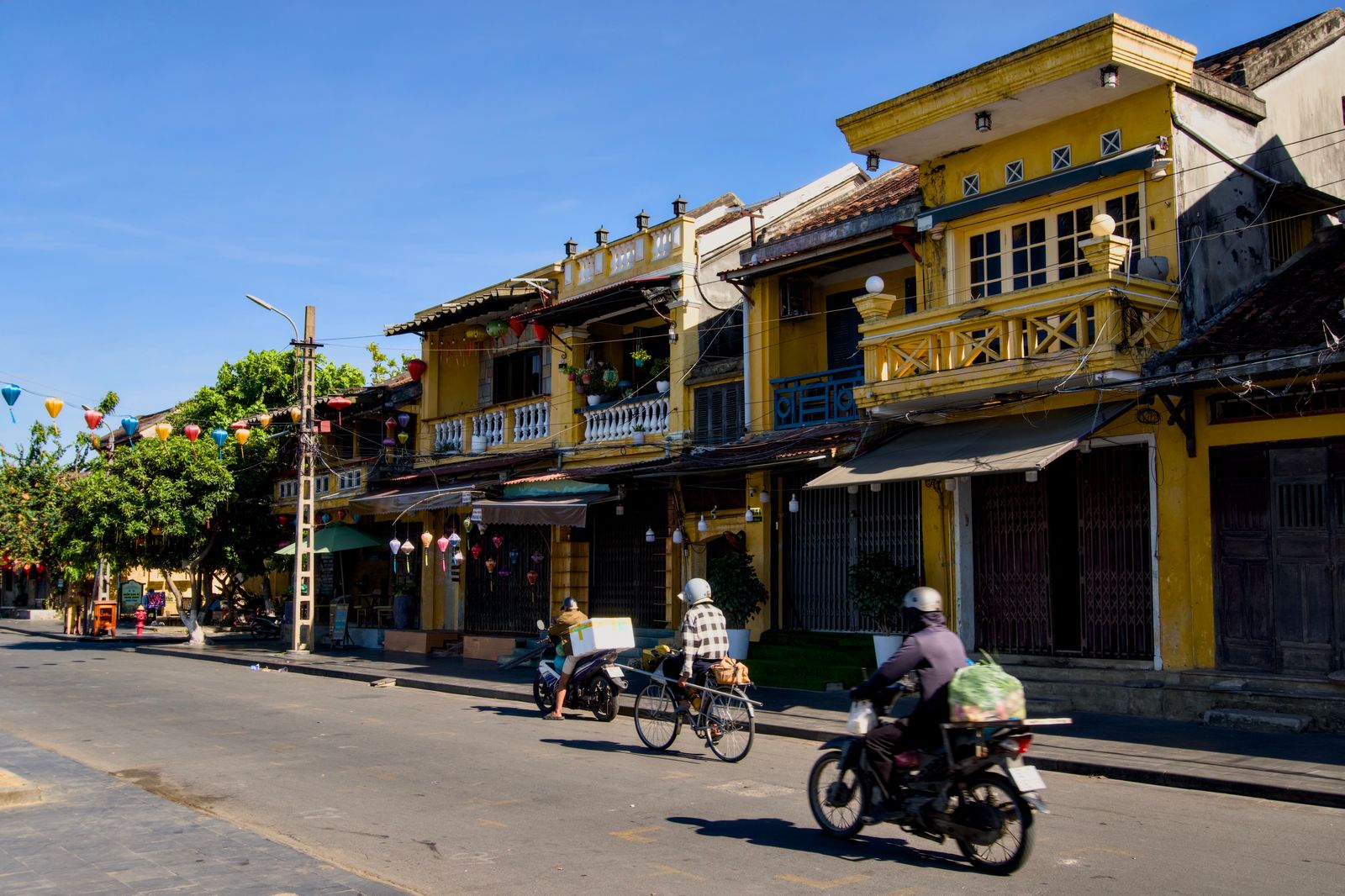
Picture yourself stepping back in time as you wander through the ancient streets of Hoi An. This charming town, once a bustling port in the 15th century, is a delightful tapestry of cultures woven over centuries. Imagine sailors and traders from Japan, China, and even Europe bustling about — you can still see their influence in the architecture. These days, the whole town feels like a living museum with its beautifully preserved yellow buildings and colorful lanterns swaying in the warm breeze.

Hoi An is laid out almost like a dream. You've got the Thu Bon River running lazily through the center, and as you meander along its banks, you'll find a mix of ancient pagodas, wooden shop houses, and serene temples. I always say to take a moment on the Japanese Bridge, built in the late 16th century by the Japanese community. A perfect photo spot; capture the intricate wooden carvings with the stream of daily life flowing underneath — pure magic.

Here, every corner has a story. There’s a local legend about how the dragons of Hoi An guard the town, bringing good fortune and protection. You might hear it whispered over a cup of Vietnamese coffee, which, by the way, is some of the best you'll ever taste. Speaking of taste, don’t miss out on a bowl of cao lầu, a local noodle dish said to be unique because of the water sourced from ancient Cham wells nearby.

As you explore, keep an ear out for the soft hum of conversation and laughter of locals gathering in communal houses, something that’s been happening for generations. And, whatever you do, let yourself stray off the map, even for a moment. The best bits of Hoi An are tucked away in the hidden alleys and small cafés where you might chat with a local who swears they knew you in a past life. Now, go lose yourself in this enchanting town, and remember that every step is part of its living history.

The route

7 stops through Hoi An

1
Central Market Hội An
market

Central Market Hội An

Immerse yourself in local life and capture vibrant photos of daily trade.

40 min · rated 4.9

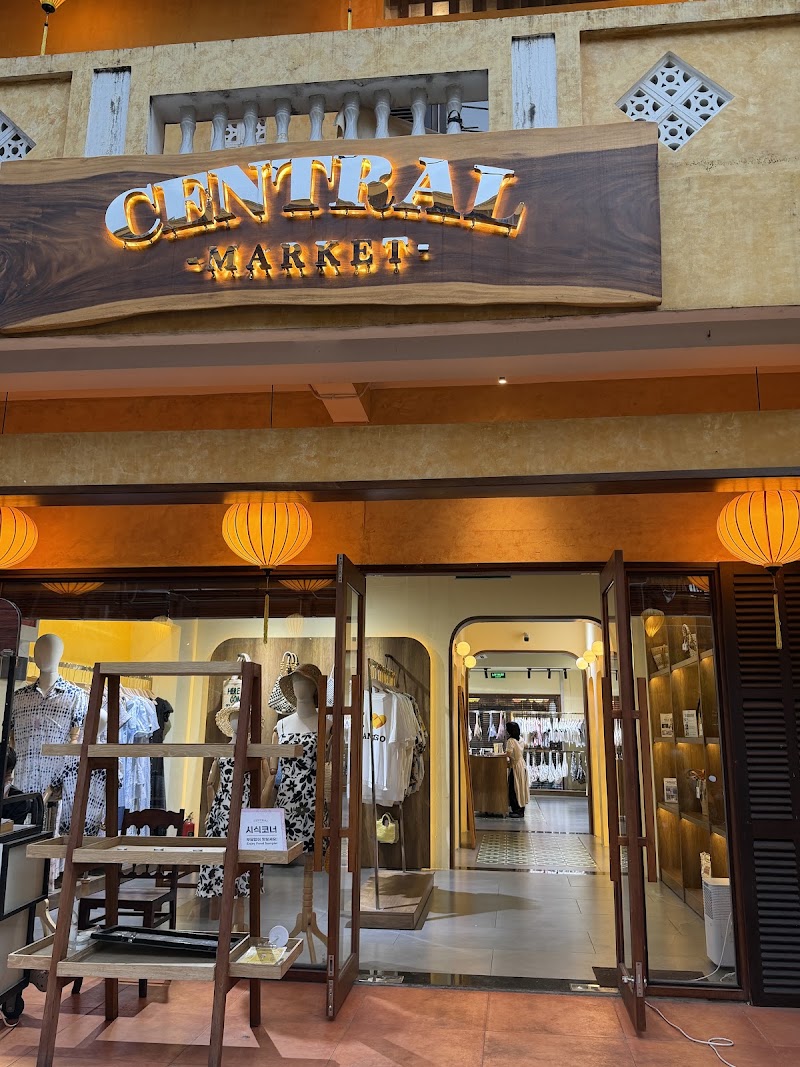
Beneath a canopy of colors, Central Market Hội An hums with the symphony of scooters, laughter, and the occasional clatter of a vendor’s scale. Have you noticed how the air is filled with the scents of fresh cilantro and exotic spices? This market is the pulse of Hội An, where history and daily life weave together like the patterns in a local silk scarf. It’s a place that traces its roots back to the 17th century when traders from far and wide brought their goods by boat down the Thu Bồn River.

Here, beneath these awnings, you’ll find local vendors who have been perfecting their craft for generations. The woman over there expertly carving a papaya could probably do it blindfolded—her mother taught her, as did her grandmother before that. This is not merely shopping; it’s a cultural exchange where negotiation is part of the dance. Offering a fair price isn’t just about money; it’s a gesture of respect.

The market is a feast for the senses and for your camera. Capture the vendors against a backdrop of brilliant lanterns and the bustling crowd, each shot a story in itself. The real secret, though, is the seafood section where fishermen present their daily catch just as their ancestors did. It’s an oceanic palette of colors that tourists often overlook, but it’s as much a part of Hội An as its famous lanterns.

Did you know that Hội An was once a major trading port? In the late 16th century, it was a crucial stop in the spice trade, drawing merchants from Japan, China, and even Europe. This varied history breathes through the market in the fusion of ingredients and flavors unique to the region. It’s almost like stepping back in time, if it weren’t for the smartphones capturing it all.

Once you've explored the lively passages, let the smells of local culinary delights beckon you toward the food stalls. Treat yourself to a steaming bowl of Cao lầu, a noodle dish that epitomizes Hội An’s unique blend of cultures. It’s a taste you’ll want to bring home in memory, if not in recipe.

Before you move on, pause and take a moment to enjoy the rhythm of life here. You might spot a local popping over for their daily shopping or a family gathering ingredients for dinner. Let their stories mingle with the history you've just soaked in, enriching your understanding of this vibrant place. As you leave, consider one last photo: a close-up of one of those colorful spice piles. It’s a little piece of Hội An to remember.
Listen
2
Pagoda Bridge
landmark

Pagoda Bridge

An iconic symbol of Hoi An with intricate carvings and historical significance.

45 min · rated 4.3

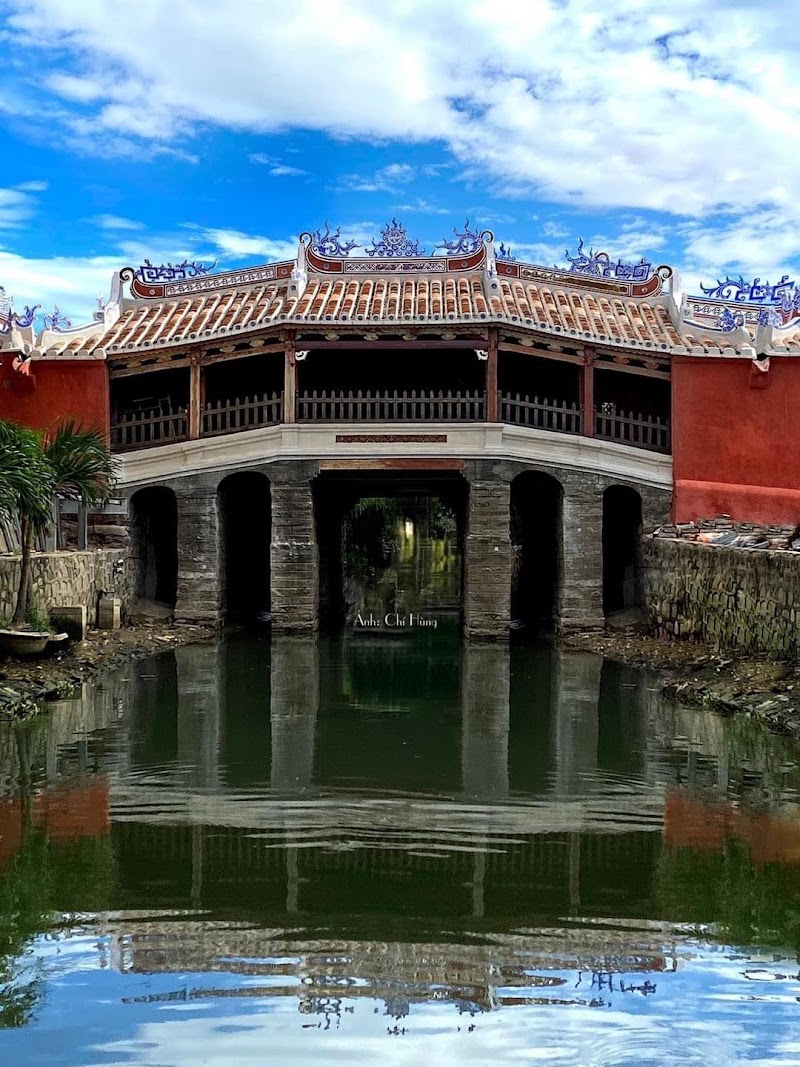
Look closely at the Pagoda Bridge, or as the locals call it, Chùa Cầu. Built in the late 16th century by the Japanese community settled in Hoi An, this bridge is a testament to the diverse cultural tapestry of the town. Imagine the Japanese traders who once crossed this very path, their wooden clogs clacking against the stone, as they made their way to exchange goods and stories.

At a glance, it’s clear why the Pagoda Bridge is the heart of Hoi An. The roof, adorned with tiles and painted in vibrant hues, shelters the intricate carvings beneath. Each panel tells a tale — dragons spiraling towards the heavens, guarding against disasters, and intricate motifs of the sea, marking both separation and connection between countries.

Legend whispers that this bridge was built to tame the Namazu, a monstrous earthquake-causing catfish believed to live beneath. It's said the bridge’s imposing guardian statues hold the creature still, ensuring that the town remains unshaken.

A hidden detail you might miss is the small temple midway across, dedicated to Tran Vo Bac De, the God of Weather. This is where the mixing pot of cultures becomes wonderfully evident — a Japanese bridge with a Chinese temple, sitting harmoniously in a Vietnamese town.

For the best photo, step back and capture the reflection of the bridge in the water below. It doubles the magic, especially at night when lanterns flicker into life. Frame the wooden beams and the winding design with the lush waterway beneath.

Next, wander down to the riverside for a café that's more local than touristy. Order a cà phê sữa đá and sip it slowly, watching life flow over and past the stones as it has for centuries. Enjoy the layered history — you're standing in a place where worlds meet.

Listen
3
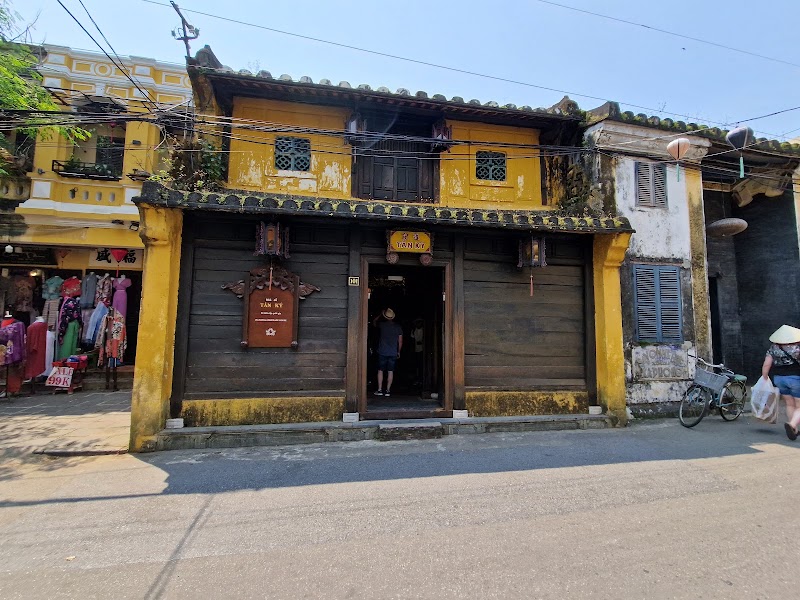
Old House of Tan Ky
museum

Old House of Tan Ky

A well-preserved 18th-century merchant's house showcasing blend architecture.

40 min · rated 4.2

Imagine a time when Hoi An was a bustling port town, filled with traders from China, Japan, and beyond. The Old House of Tan Ky stands as a testament to that vibrant past. Built over two centuries ago by an enterprising Vietnamese merchant, this house captures the intricate blend of architectural styles that defined the era. Chinese wooden beams, Japanese tile roofs, and Vietnamese details all come together like a quiet symphony, playing out over your head as you step inside.

The walls of Tan Ky have seen myriads of goods pass through its doors, with the lower floor still bearing slight marks from where merchants would tally their stock. One of the most captivating features is the wooden plaque inscribed with Chinese characters, believed to bring good fortune to the house and its visitors—a piece of the past still whispering to us today.

If you look closely, you'll notice symbols of prosperity in every nook, like the yin-yang balance depicted in stone and seashells on the wall. Amidst these ancient details, the story of Le Tan Ky, the merchant who first built the house, comes alive. Legend says he was as sharp in business as he was kind in character, leaving a legacy of prosperity and unity.

Pause for a moment by the courtyard, a serene spot designed for light and air to mingle. You might catch the faintest scent of old wooden beams and imagined whispers of past merchants exchanging stories of distant lands. It’s one of those places where the atmosphere lingers long after you’ve moved on.

For a perfect glimpse into authentic life, pay attention to the details most miss—such as the beautifully preserved mother-of-pearl decorations. And don’t forget to look up! The carved roof beams intricate in design are a photo waiting for your lens.

When you're ready for a break, wander a bit further down to the riverside market. Grab a bite of cao lầu noodles, a local dish made with a recipe as ancient as the house itself. You’ll be tasting history with every savory mouthful.

Listen
4
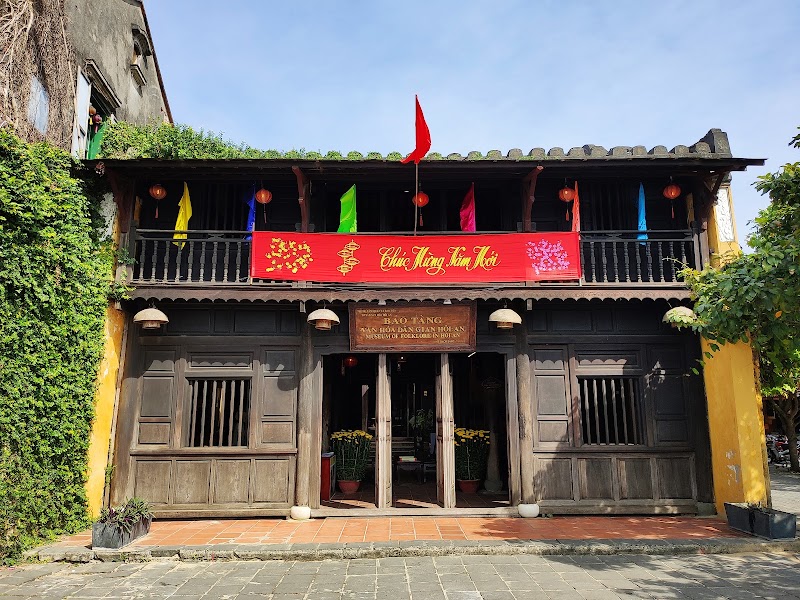
Museum of Folk Culture
museum

Museum of Folk Culture

Discover the rich history of Hoi An through its fascinating exhibits.

45 min · rated 4.3

Nestled in this quaint, timeworn street, the Museum of Folk Culture stands as a rich tapestry of Hoi An’s vibrant past. This 150-year-old wooden house beckons you inside with its creaking charm and whispering voices of those who once walked these floors. It’s a place where the relics of everyday life become storytellers, painting vivid pictures of a bygone era.

Inside, the delicate crafts of silk weaving and pottery come alive. Hoi An was a bustling trading port in the 15th to 19th centuries, and here you see the echoes of that golden age. Traders from Japan, China, and Europe mingled their cultures like spices in a rich pho broth. Notice the fabric patterns — they reveal Hoi An's multicultural layers, intertwined with stories of trade and tradition.

Most visitors miss the small, captivating display on betel nut chewing, a custom once omnipresent in Vietnamese social life. The intricate lime pots and betel nut boxes are more than just artifacts; they are keys to understanding the subtle rituals of courtesy and hospitality that shaped community bonds.

As you step through, feel the texture of ancient fishing nets and smell the faint traces of turmeric and vanilla — core ingredients of Hoi An’s culinary heritage. The scent tells its own tale, guiding you through centuries of meals shared under lantern-lit skies.

For a perfect photo, aim your lens upward. The architectural beauty of the roof beams is a masterpiece in its own right — with sweeping curves and intricately carved details that speak quietly yet powerfully of the hands that crafted them.

Afterwards, take a leisurely stroll to the nearby market, where locals barter with a lively banter that seems suspended in time. And before you leave, maybe try a bite of cao lầu, the town's iconic noodle dish. Its secret? The water drawn from an ancient Cham well, adding an elusive magic you won't find anywhere else.

Listen
5
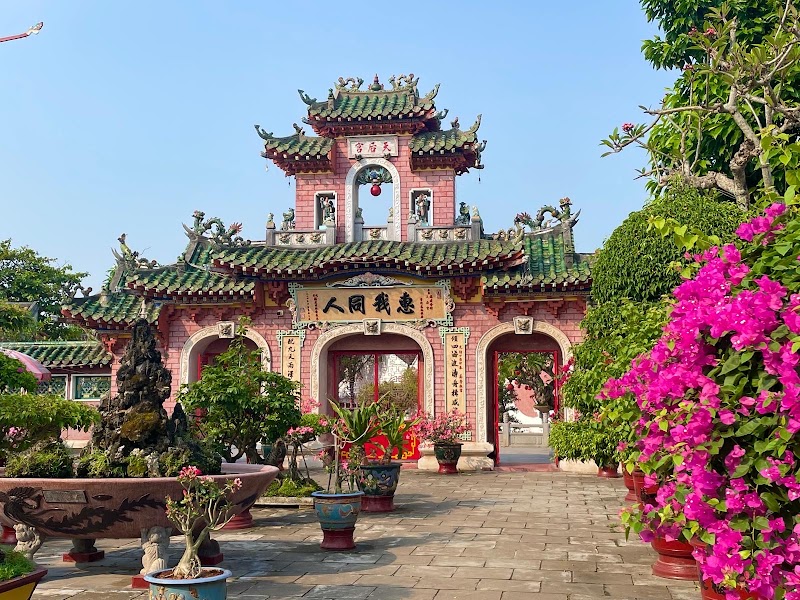
Fujian Assembly Hall
temple

Fujian Assembly Hall

A stunning example of Chinese architecture dedicated to the sea goddess Thien Hau.

40 min · rated 4.4

You’re standing before the Fujian Assembly Hall, a dazzling jewel of Chinese architecture right here in Hoi An, crowned with the dragon-topped roof curves that reach defiantly towards the sky. Dedicated to Thien Hau, the sea goddess known for protecting sailors, this hall is a testament to the enduring maritime spirit that powered this ancient trading port.

Imagine being a Chinese trader arriving here centuries ago. Hoi An was bustling, vibrant, its harbor a mosaic of sails from Japan, Portugal, India, and beyond. The year was 1697 when the Fujian community, needing a place to gather and worship, chose this ground to erect their assembly hall. Over the years, it became not just a sanctuary of prayer but a heart of community life—deals struck, stories shared, fortunes told under those resplendent eaves.

Look closely at the colorful mosaics, each piece painstakingly set to capture scenes from Chinese folklore. The dragon and tiger guarding the entrance aren't just decorative; they symbolize power and protection, watching over every visitor and blessing their journeys. It’s easy to miss, but take a moment to find the intricate wood carvings within—they tell legends of bravery and loyalty that have inspired generations.

Inside, the central altar dedicated to Thien Hau is flanked by incense coils that burn slowly, their spiral paths winding prayers up to the heavens. It’s a space that pulses with history, where whispering echoes of ancient hymns seem to linger even today. Despite its vivid exterior, the air within is cool, calm—an invitation to reflect and find your own connection with the sea goddess.

A perfect photo awaits by stepping back just enough to frame the hall’s facade with the colorful lanterns swaying in the breeze. Capture how the afternoon light dances off those porcelain tiles, glinting just as they might have in the distant past when sailors sought guidance here.

After admiring the hall, wander towards the river. You’ll notice locals pausing for a chat or sharing a quick meal—it’s a glimpse of everyday life that echoes the community spirit fostered right here at Fujian Assembly Hall.

Listen
6
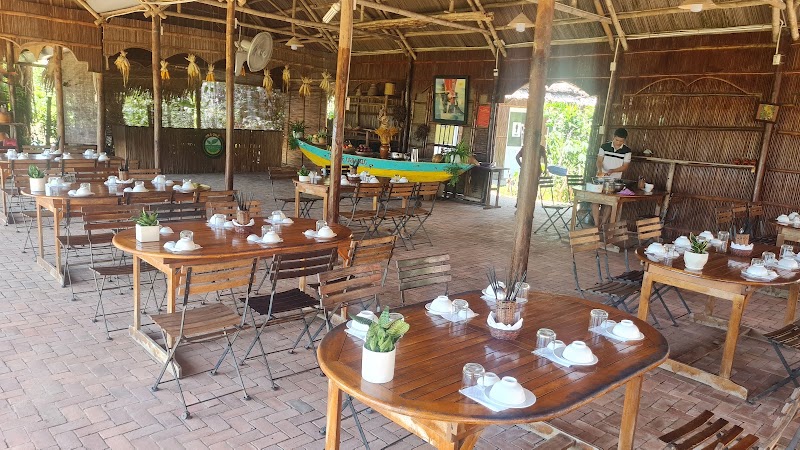
Tra Que Vegetable Village Restaurant
nature

Tra Que Vegetable Village Restaurant

Experience lush gardens and learn about traditional Vietnamese farming methods.

60 min · rated 4.5

In front of you stretches a lush patchwork quilt of vibrant green, the Tra Que Vegetable Village, where earth and tradition embrace under the Vietnamese sun. This isn't just any garden; it's a living testament to centuries of sustainable farming wisdom. The vegetables here are nurtured using age-old organic methods, practiced by the locals for more than 500 years. They bless the soil with a unique mix of river weeds and seaweed, giving these herbs a flavor unlike anywhere else.

As you wander through, notice the farmers tending their patches with nimble fingers and wide-brimmed nón lá hats shielding them from the sun. They have a joyful, almost meditative air about them. The village, named after a sweet-scented herb that grows in the fields, is famous for its aromatic mint and basil, which flavor the local dishes you simply must try.

The restaurant here takes this farm-to-table concept literally. Imagine tasting a dish where each ingredient has been freshly harvested from a few steps away. Picture a pho with herbs that still hold the morning dew, or a bánh xèo where the greens are a vibrant emerald. The flavors burst purely, singing of the soil and sun.

Something many miss is the delicate aroma that drifts from the herb-scented water used in traditional Vietnamese foot baths offered here. It's said to rejuvenate weary travelers—perhaps you'd like to try?

For the best photo, capture the vibrant greens of the fields against the backdrop of the distant mountains, perfectly framing this slice of traditional life. Or focus on the intricate patterns of the rows, a beautiful testament to the harmonious life here.

Before you leave, take a moment to sit with the farmers. Share a story, maybe learn a bit about how they use everything from coffee grounds to rice husks in their soil. It’s a connection as memorable as any photo.

Listen
7
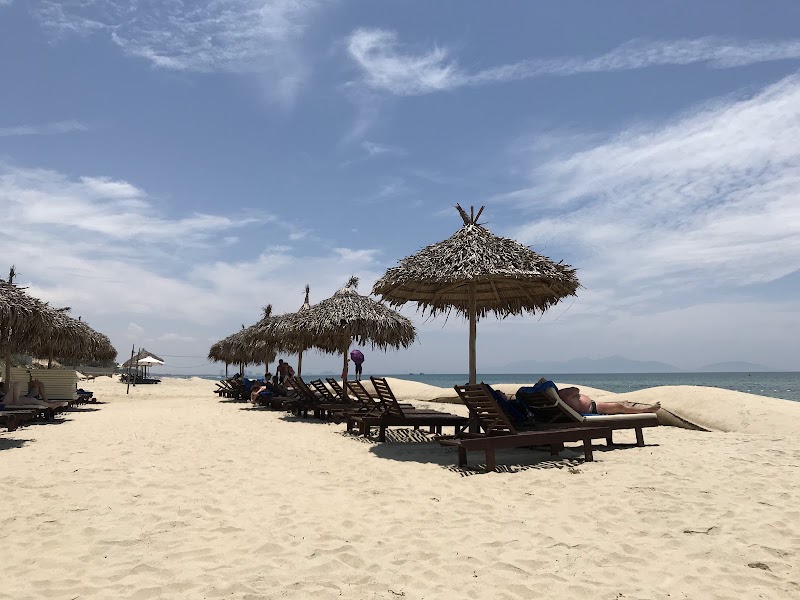
An Bang Beach
nature

An Bang Beach

A peaceful beach perfect for a relaxing end to the day.

45 min · rated 4.3
Walking map of the route
Powered by Geoapify · © OpenMapTiles · © OpenStreetMap contributors
Before you go

Hoi An essentials

Food & money

Food delivery
Money
Vietnamese Dong (VND). Mostly cash, cards accepted in major establishments.
Tipping
Tipping is not mandatory but appreciated. Rounding up or leaving small change is common.

Emergency & safety

Emergency
General 112
Police 113
Ambulance 115
Hospitals
Hoi An Hospital, Hoi An · +84 235 3861 115
Da Nang Hospital, Da Nang · +84 236 3822 461

Good to know

Power
Type A, C; 220V.
Tap water
Tap water is not safe to drink; use bottled water.
Phrases
Xin chào (Hello), Cảm ơn (Thank you), Bao nhiêu tiền? (How much?).
Etiquette
Dress modestly, especially when visiting temples. Remove shoes before entering homes.

Watch out for

Bag-snatching from mopeds

In the Ancient Town area, thieves on mopeds can snatch bags from pedestrians.

Hold your bag securely and walk away from the road.
Unlicensed taxi scams

Fake taxi drivers charge exorbitant fees in the Old Town at night.

Use Grab for licensed vehicles.
Methanol-laced drinks

Cheap homemade spirits can contain methanol and are sold in bars near the Old Quarter.

Stick to well-known brands and sealed bottles.
Overcharging in markets

Vendors at Central Market may mark up prices for tourists.

Always negotiate prices or buy from shops with displayed prices.
Fake rental damage claims

Motorbike rentals allege previous damage to extract large fees in Cua Dai.

Take photos of the vehicle before rental.

Informed by UK FCDO travel advice (OGL v3).

Keep wandering

Other days, made public

Amsterdam
Amsterdam · Netherlands

Khám phá Amsterdam: Lịch sử, Nghệ thuật & Kiến trúc

9 stops · by Thơm
Mombasa
Mombasa · Kenya

Exploring Mombasa's Hidden Treasures

6 stops · by Dimosthenis
Dubai
Dubai · United Arab Emirates

Dubai's Historical & Artistic Journey

6 stops · by Dimosthenis
Cairo
Cairo · Egypt

Historic Whispers of Cairo

6 stops · by Dimosthenis

Put a storyteller in your pocket.

Your next free afternoon deserves better than a top-10 list.

Made with and Pineapples by zuapp.me