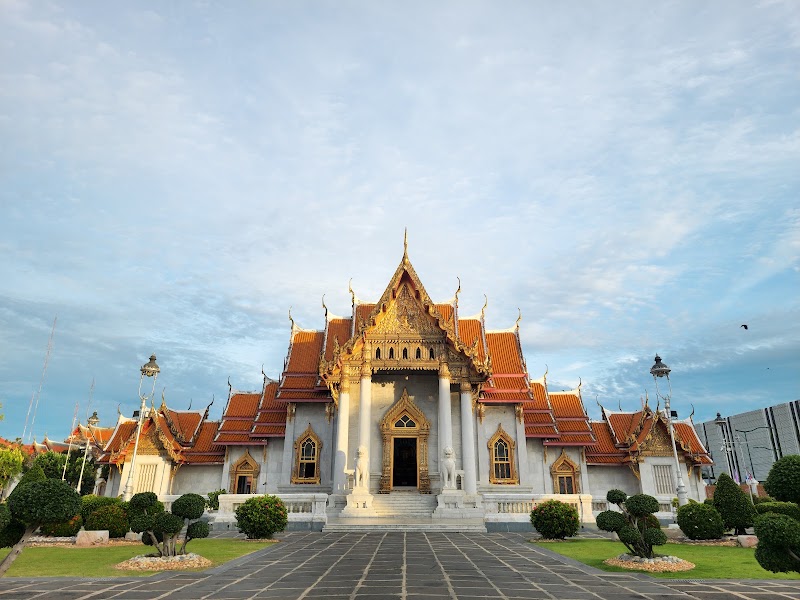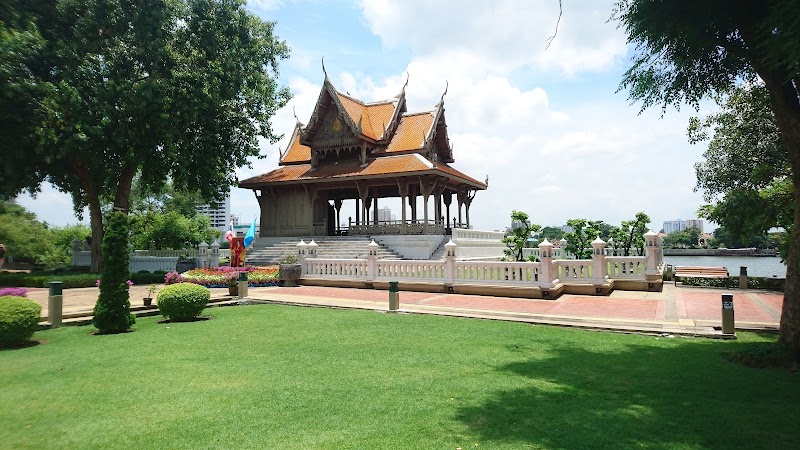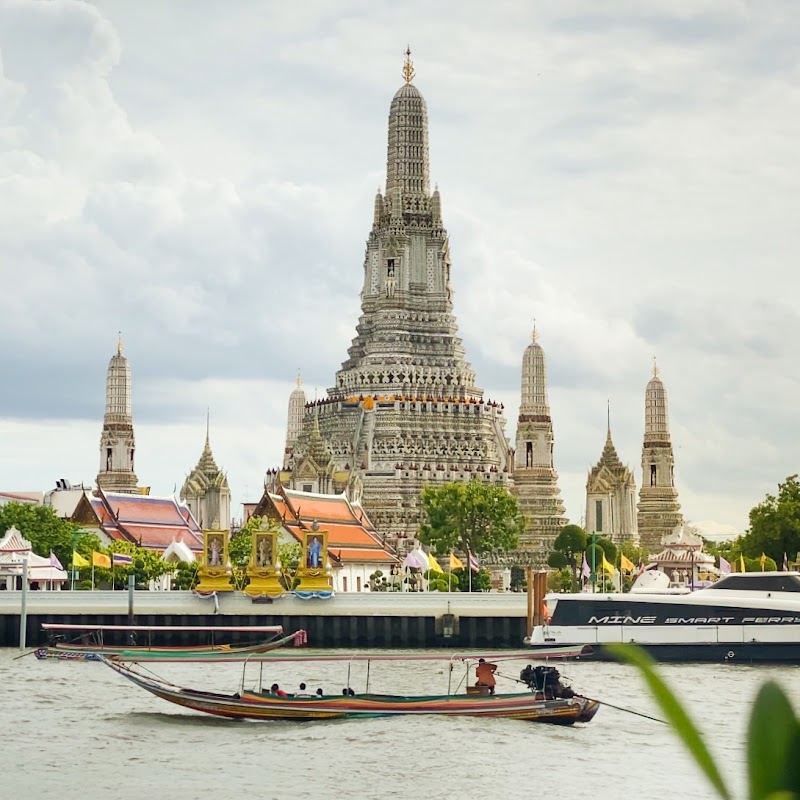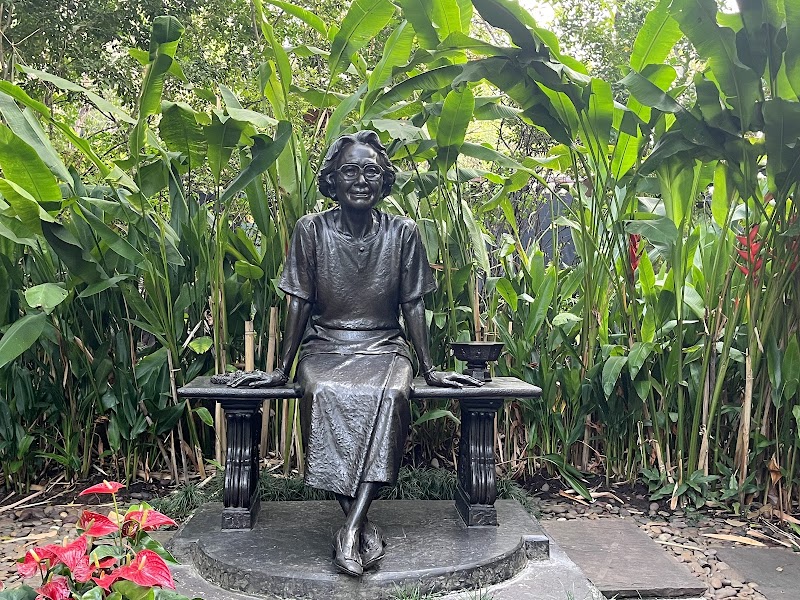
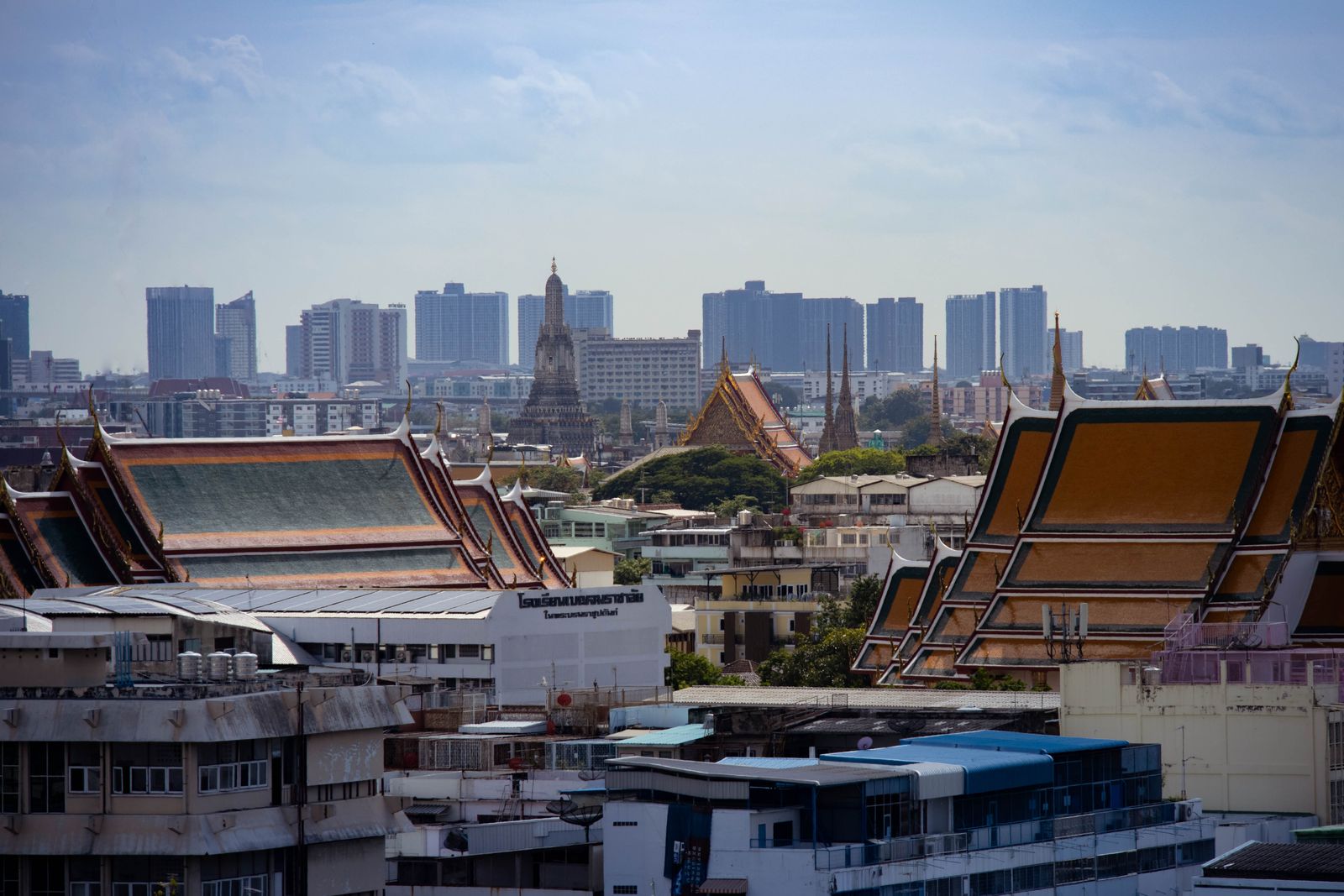
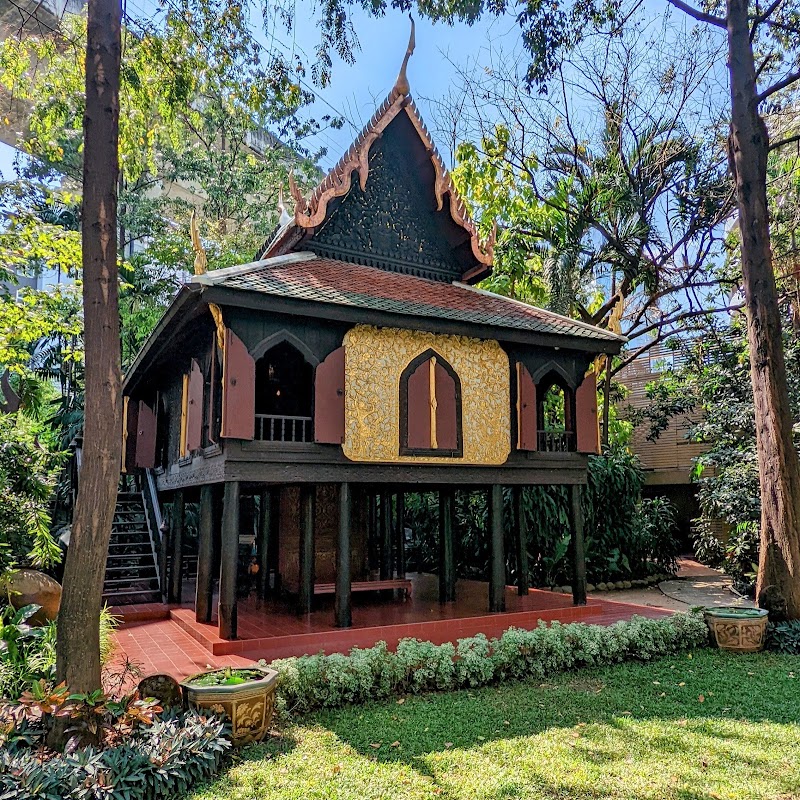
In the heart of bustling Bangkok, just when you think the city's skyscrapers might overwhelm, an unexpected treasure awaits. Suan Pakkad Palace emerges like a serene oasis, a cluster of traditional Thai teak houses surrounded by lush, calming gardens. This place was once the private residence of Prince Chumbhotbongs Paribatra and his wife, who transformed their home into a museum to share their collection of ancient artifacts with the world.
You'll notice that the name "Suan Pakkad" means "Cabbage Patch Palace." It may seem humorously humble for such an enchanting estate, but the land was once a simple vegetable patch. It’s a delightful reminder of the transformative power of vision and care.
Walk through the gates, and you're stepping back in time. Each house in this complex, with its steep gabled roofs and intricate woodwork, tells a piece of Thailand’s story. Inside, you'll find everything from Ban Chiang pottery to exquisite Buddhist art. The Lacquer Pavilion, a royal treasure often overlooked by visitors, stands adorned with 17th-century gold leaf murals. These shimmering walls depict tales of the Buddha with intricate elegance—it's a jewel that gleams quietly, often only fully appreciated by those who take the time to linger.
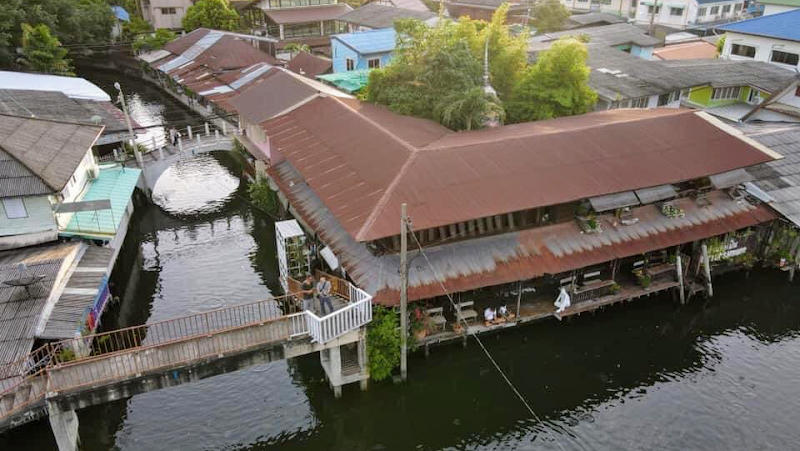
One of the most remarkable features is how the buildings are raised on stilts, a traditional architectural detail that serves as a natural cooling system—an ancient solution to Thailand's relentless heat. Peer under these houses to glimpse another fascinating layer of history, sometimes housing ancient tools or musical instruments that hint at the daily lives of those who lived here centuries ago.
As you wander, listen for the rustling of leaves, a faint echo of the bustling city just outside, and notice how the air feels a little clearer. This garden is a sanctuary not just of artifacts, but of souls seeking a moment’s peace during their hectic day.
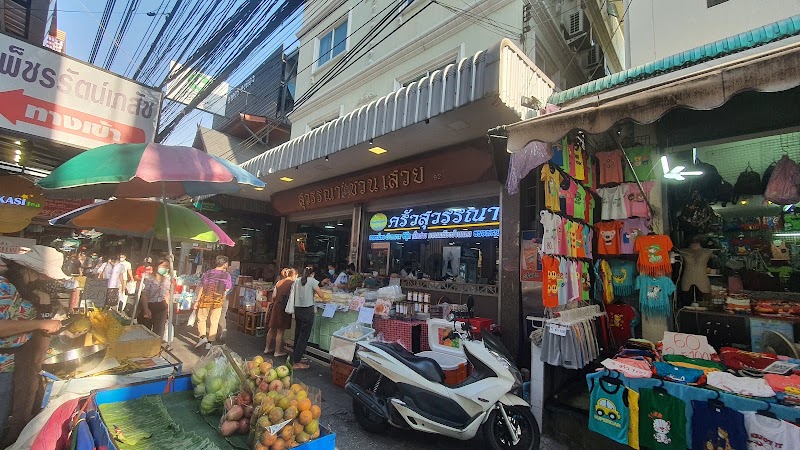
Capture your moments here as the light softens in the late afternoon, casting everything in a golden hue. Before leaving, perhaps take a quiet moment in the gardens to reflect—it's often the quiet corners of history that speak the loudest. Then, head to one of the nearby local eateries. You’re still in the city, after all, and the scent of street food won’t let you stay hungry for long.