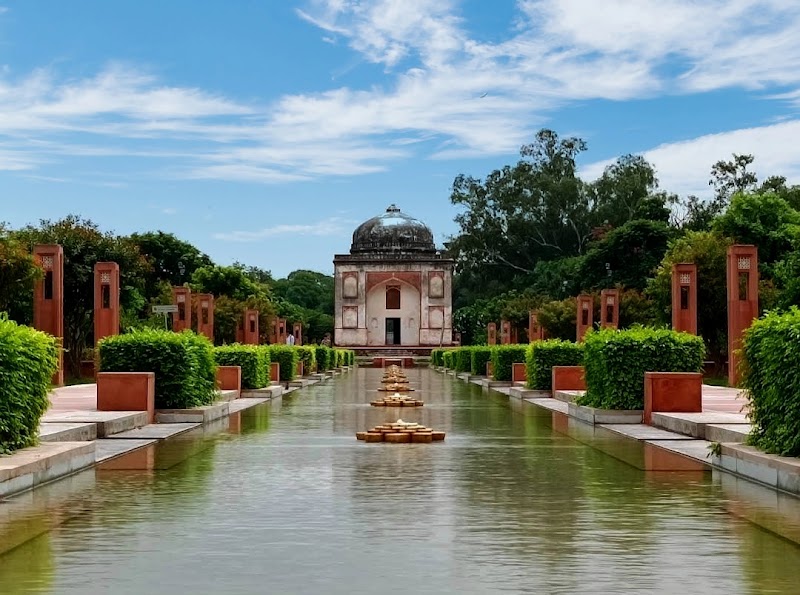
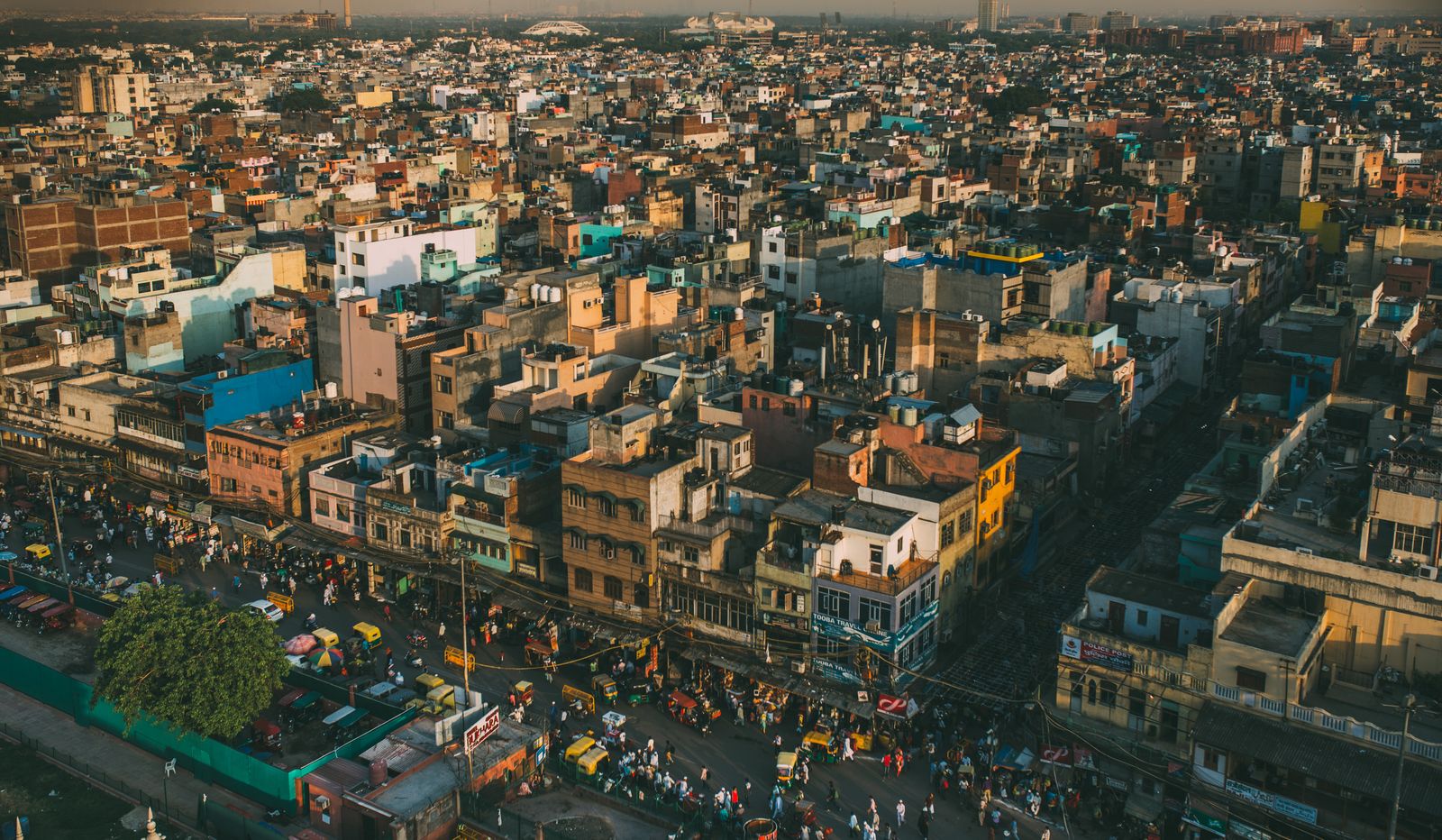
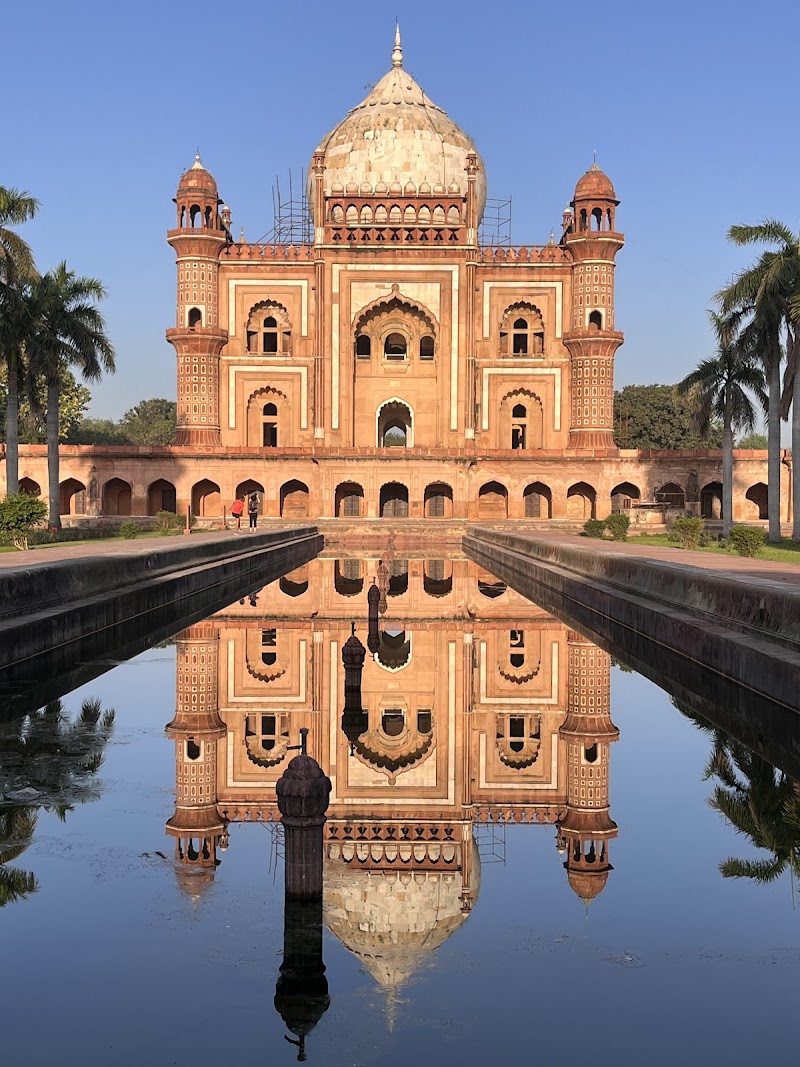
The grand Safdarjung Tomb stands like a final act in the monumental play of the Mughals, the last of its kind — a garden tomb, built in 1754, for a man ironically known more for what he didn’t accomplish. Safdarjung was the Prime Minister under Mughal emperor Ahmad Shah Bahadur, during a time when the empire was as stable as a house of cards in a breeze. Still, he managed to leave behind this stunning architectural legacy.
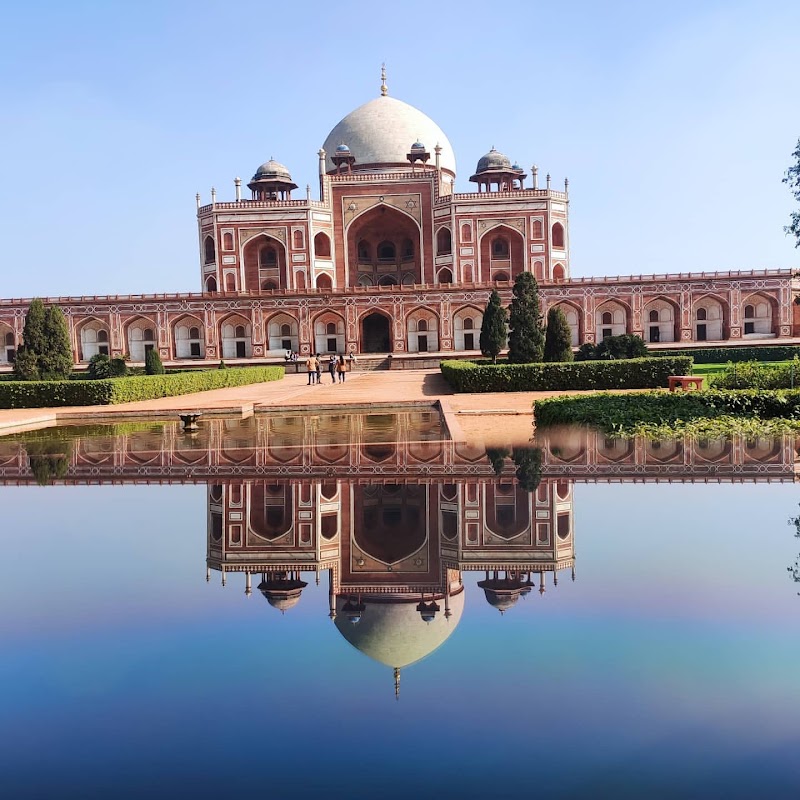
Notice how the tomb fuses Mughal grandeur with a hint of Nawabi flair. The red sandstone, combined with buff sandstone and white marble, creates a palette more vibrant than a Holi festival. Your eyes might feel compelled to play a game of “spot the symmetrical elements” as you scan its facade. Scholars say its design was inspired by the much grander Humayun’s Tomb, sort of like when your younger sibling borrows your outfit for a night out, but pulls it off… almost.
Legend has it, if you whisper a wish at the carved lattices, the breezes will carry it skyward. Of course, that might be more folklore than fact, but hey, the breeze is real enough here. And here’s a number to share at your next quiz night — the central dome rises an impressive 92 feet, a fitting capstone for Safdarjung’s ambitions.
Here’s a little tip: as the sun stretches towards the horizon, the tomb’s sandstone glows warmly, bathing the garden in golden light. That’s when you should position yourself by the square water tank for the perfect reflection shot. Tourists come, snap, and leave, but you’ll have a frame worth framing.