Pocket Tour Guide
Marrakech
Marrakech · Morocco

Medinas & Gardens of Marrakech

6hDuration
6Stops
5.2 kmDistance
The city

Marrakech

Listen

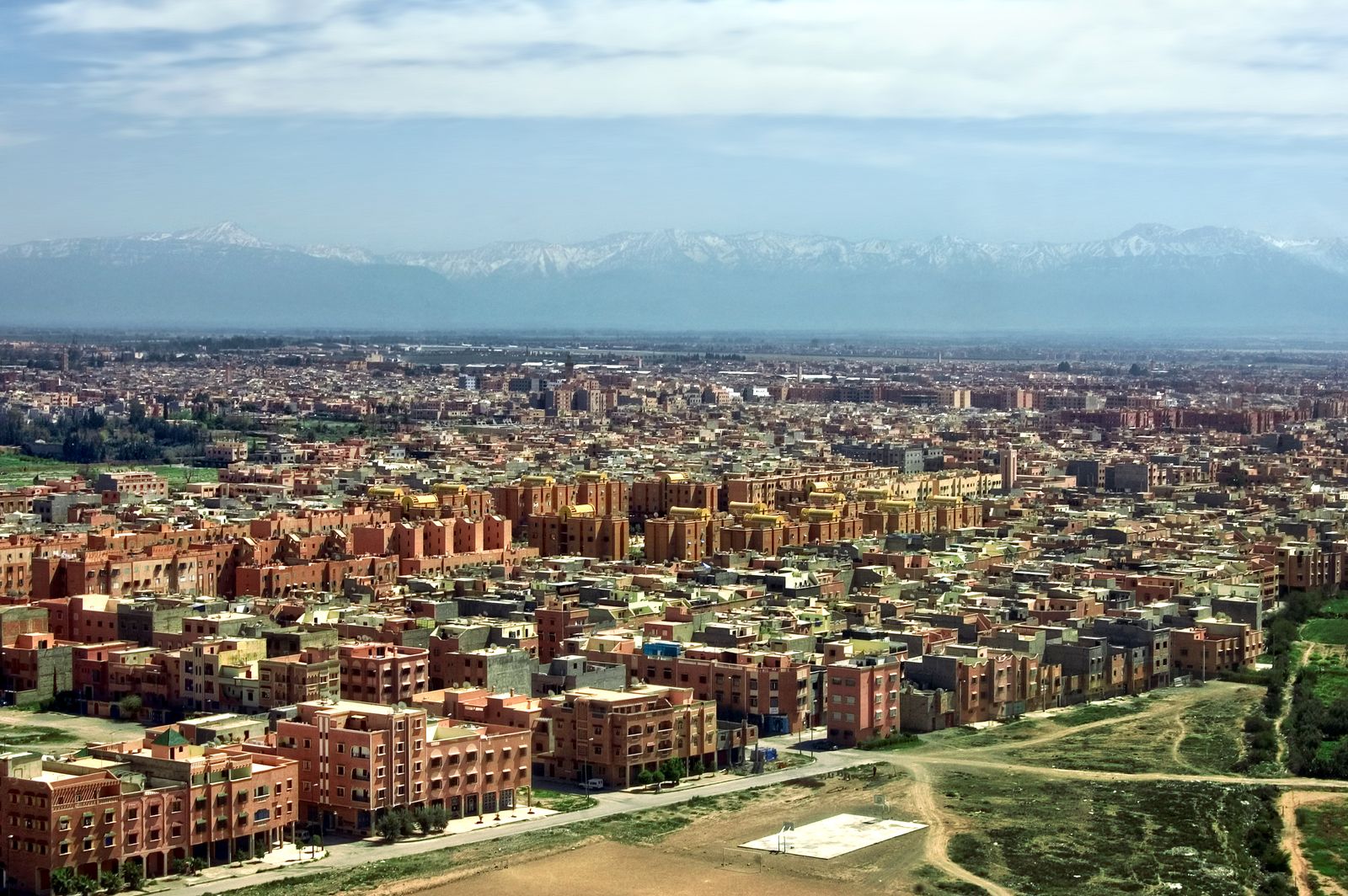
In Marrakech, as the sun kisses the ancient walls with a golden glow, the city hums awake like a timeless melody. The old medina is a maze of narrow alleys, where the air is tinged with the scent of spices and jasmine. You’ll notice how the vibrant colors of woven tapestries and the intricate mosaics dance in the morning light. The city’s heart beats strongest here, in these winding streets, where each turn reveals something new—a craftsman shaping leather, a woman haggling over saffron.

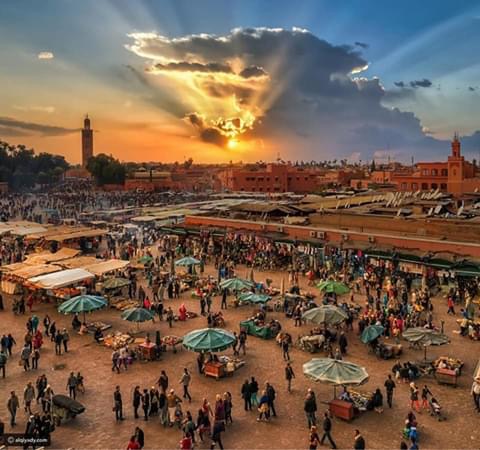
Head towards the Djemaa el-Fna, where the square becomes an enchanting stage of life. During the day, it's a lively bustle where the clinking of tea glasses harmonizes with the tales of storytellers. You’ll see orange juice vendors, their carts laden with ripe citrus, offering a refreshing sip under the warm Moroccan sun. This place brings together the city's past and present in an instant—seek its energy and let it guide your journey.

As you explore, let your senses lead you. Perhaps you'll find yourself enveloped in the serenity of a hidden riad garden, the distant call to prayer echoing softly as birds flutter overhead. Or maybe the intricate beauty of the Bahia Palace will catch your eye, its halls whispering the secrets of a bygone era. In Marrakech, every step invites a touch of magic, weaving a tapestry of moments that linger long after the day fades. Embrace this vibrant tapestry, and let the city unveil its stories, one at a time.

The route

6 stops through Marrakech

1
Le Jardin Secret
nature

Le Jardin Secret

Discover the lush, tranquil gardens hidden in the heart of the medina.

60 min · rated 4.2

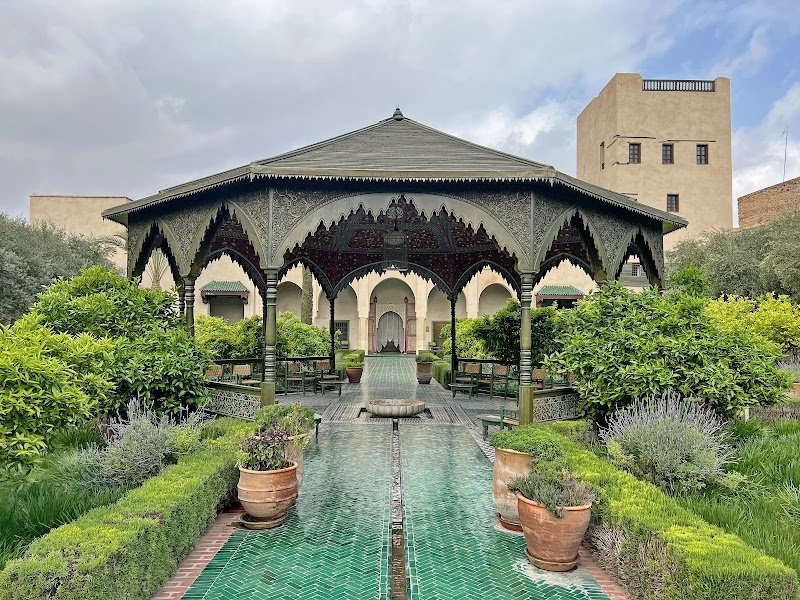
In the very heart of the bustling medina, where the air buzzes with the sounds of merchants and the scent of spices, there lies a sanctuary known as Le Jardin Secret. The entrance might seem modest, but pass through and a world unlike the chaos outside unfurls. Paths weave through lush greenery, and the air is heavy with the scent of citrus blossoms, mingling with the earthy aroma of wet soil. Can you hear the gentle babble of water flowing through the channels? It’s a whisper of tranquility within the city’s rush.

Centuries ago, these gardens were the realm of sultans and viziers. Here they sought refuge, surrounded by the grandeur of Moorish architecture, with towering palm trees and vibrant bougainvillea. There’s a legend that princesses once walked these paths, sharing secrets with the winds that swirled through the trees.

Most visitors glance past the intricate irrigation system, yet it's one of the garden’s most fascinating secrets. The ancient khettara channels pull water from deep underground, nurturing the plants in this arid landscape, just as it has for hundreds of years. Pause and let your fingers trace the cool, smooth edges of the stone, feeling the life-giving pulse of history beneath your touch.

The garden is divided into two distinct areas: the exotic and the Islamic garden. Each section tells its own story through the language of plants. Notice the symmetry in the Islamic garden, a physical manifestation of harmony, while the exotic garden plays with the senses, offering bursts of unexpected color that mirror the diversity of life.

As you wander these paths, take a moment to pause at the pavilion with a cup of mint tea. Let the flavors dance on your tongue while your eyes trace the geometric patterns around you. You might find it hard to leave this oasis, but as you step back into the lively streets, carry with you the garden’s calm embrace.
2
Marrakech Museum
museum

Marrakech Museum

Explore a stunning collection of Moroccan art and historical artifacts housed in a beautiful former palace.

45 min · rated 4.0

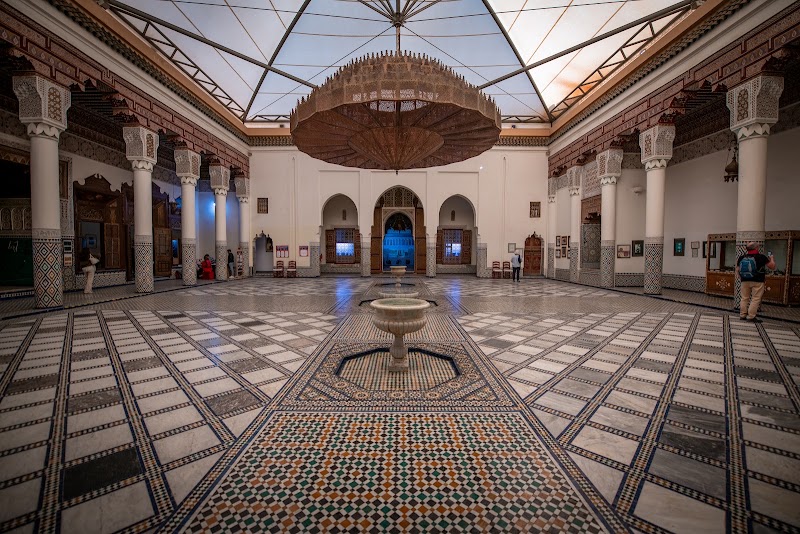
The doors of the Marrakech Museum open wide like inviting arms beneath the vibrant Moroccan sky. This palace, once home to the influential Mehdi Mnebhi, whispers tales of its opulent past in every mosaic tile and carved cedar beam. Look up and let your gaze follow the intricate zellij patterns that adorn the walls, each hand-painted tile a testament to centuries-old craftsmanship.

Inside, the cool air is scented with a hint of cedar, guiding you through the grand courtyard. Here, an ornate chandelier hangs like a starburst, defying gravity with its delicate metalwork. Listen closely, and you might hear the gentle murmur of water—a modest fountain, its pool reflecting the sky in rippling whispers. This is more than a house; it’s a soul dressed in plaster lace and stained glass.

The museum holds a rich collection of Moroccan art and artifacts, each piece a storyteller from a different epoch. There's a Berber tent, its woven fibers echoing tales of the desert, nearby ceramics painted with intricate geometric designs. Every item is a chapter, binding the past with the present, offering glimpses into the lives of those who once walked these halls.

Many visitors overlook the intricacies of the wooden doors here, their surfaces carved with mesmerizing precision. Take a moment to touch them. Feel the grooves worn smooth by time's gentle hand. They are the keepers of secrets, of whispered conversations that danced through this palace long before we arrived.

As you continue your journey, notice how the sunlight filters through, casting playful shadows on the floors. Before you leave, linger a while under the cool shade of an orange tree in the courtyard. Let its citrusy scent anchor you, a vivid memory to carry with you beyond these welcoming walls.

3
Madrasa Ben Youssef
history

Madrasa Ben Youssef

Explore the intricate Islamic architecture of this 14th-century college.

45 min · rated 4.7

A single door opens to worlds of wonder, its cedar wood whispering stories of scholars past. Step inside Madrasa Ben Youssef, where the play of light and shadow dances across this ancient Islamic college. Built in the 14th century, it once thrummed with the fervor of students, their voices rising in harmony as they memorized the Qur’an.

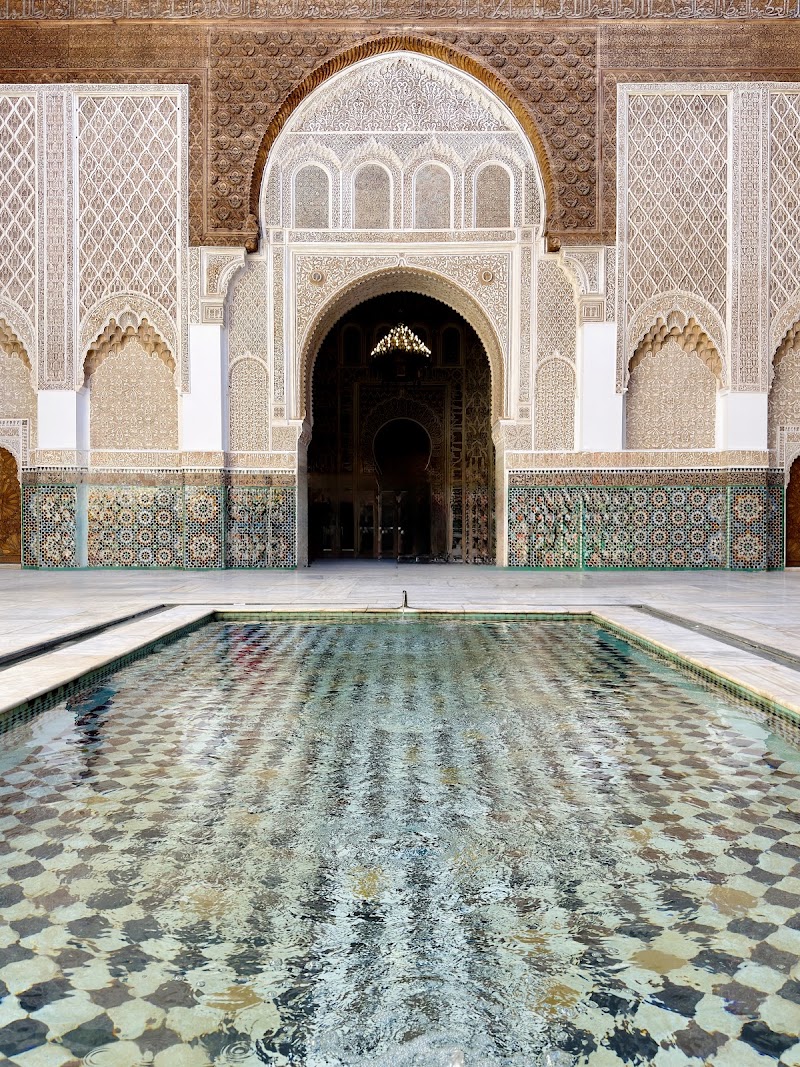
The courtyard unfolds like a jewel box, its heart a tranquil pool reflecting the sky. The walls are a labyrinth of zellij tiles—geometric constellations in blues, greens, and ochres that dazzle in the sunlight. Above, cedar beams arch like the ribbed hull of an upturned ship, carved with delicate arabesques that seem to sway with the breeze.

In the stillness, you might hear the echo of footsteps on stone, a faint hint of the thousand scholars who walked these halls. It's said that the madrasa housed over 900 students at its zenith, each one a seeker of knowledge in a world where learning was a sacred duty. They lived in small, simple rooms, windowless but with hearts open to the world.

A place often overlooked is the mihrab, the prayer niche adorned in exquisite stucco, where an imam once led the faithful in prayer. Stand by it a moment, feeling the gentle curve of its embrace, and imagine the quiet spirituality it inspired.

As you take in this serene space, let your fingers trace the coolness of the carved stone, and notice how time seems to slow. Before you leave, linger in the courtyard, watching the light shift and flutter. You might see a pattern or two suddenly come alive—a secret just for you.

4
Saadian Tombs
history

Saadian Tombs

Delve into the opulent resting place of 16th-century Saadian royalty.

30 min · rated 3.8

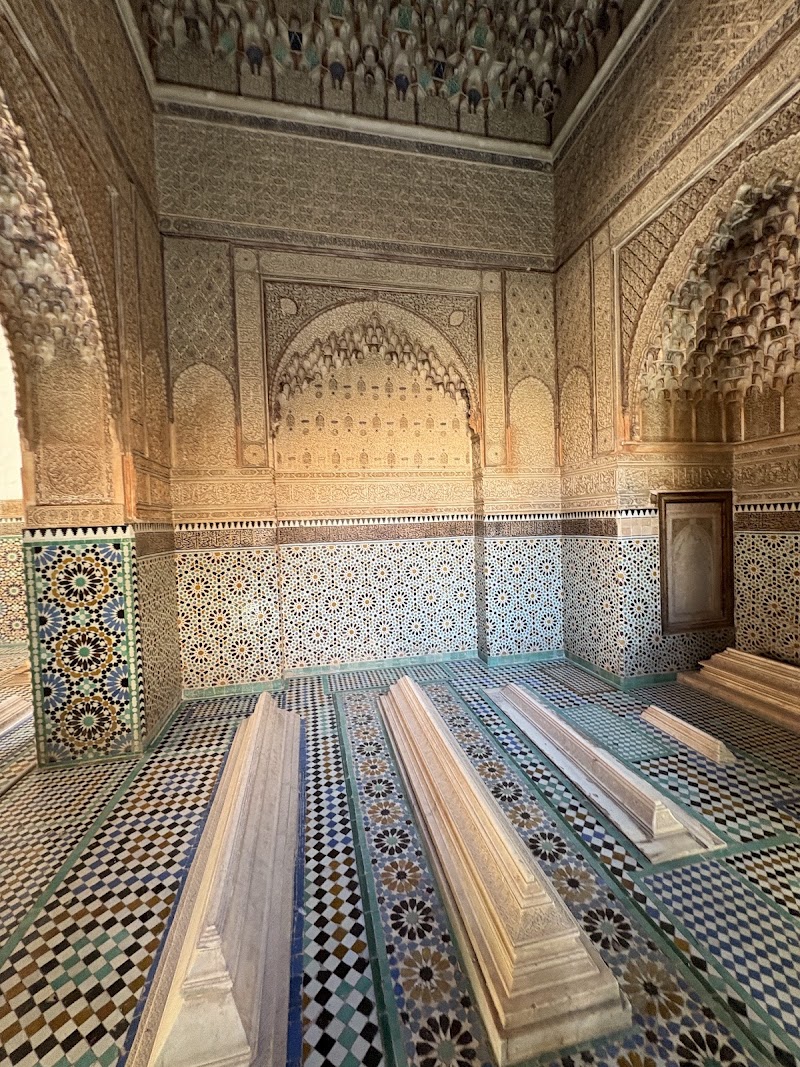
Sunlight glints off the intricate carvings surrounding you, casting playful shadows on the ancient stone. The Saadian Tombs are a silent yet opulent testament to the splendor of 16th-century Saadian royalty. Like a well-kept secret revealed by a twist of fate, these tombs remained hidden for centuries, tucked away behind the mighty Kasbah mosque walls. Imagine the awe of discovering such beauty shrouded in mystery for years.

As you walk into the Chamber of the Twelve Columns, let your eyes wander over the Carrara marble brought from Italy, a luxury reserved for sultans and saints. Here lie the remains of Sultan Ahmed El Mansour, aptly named "The Golden," along with his family. The raw, stunning geometry of the zellij tiles below your feet creates a kaleidoscope of blues and greens—a reminder of an era when Marrakech was the heartbeat of an empire, and art was woven directly into the rhythm of life.

Most visitors gather around the grandeur, easily missing the quieter, more intimate corners. Look beyond the main mausoleums, toward the smaller tombs nestled around the central garden where chirping birds and fragrant orange blossoms offer a different harmony. These hold the remains of palace courtiers and royal entourage, their stories whispering in the wind-blown rustle of palm leaves.

Legend tells of a curse to anyone who would disturb the peace of these slumbering souls, a tale woven into the fabric of Moroccan culture, embroidered with caution and reverence. The mystery clings to the air, a reminder of the history that walks silently beside us.

As your own footsteps echo across the cool tiles, notice the way light filters through, highlighting every delicate arch and intricate kusdir carving. It's as if each ray is a visitor too, paying respects to a bygone grandeur. Take a moment to listen—to the silence, to the whispers, to the timeless memory of this royal resting place.

Before you leave, take a slow breath in the garden outside, where roses and cascades of vibrant bougainvillaea paint the scene. Let the serenity linger as you brush against the ancient olive trees, savoring the quietude before you step back into the bustling embrace of Marrakech.

5
Bahia Palace
history

Bahia Palace

Stroll through the grand courtyards and gardens of this lavish 19th-century palace.

45 min · rated 4.3

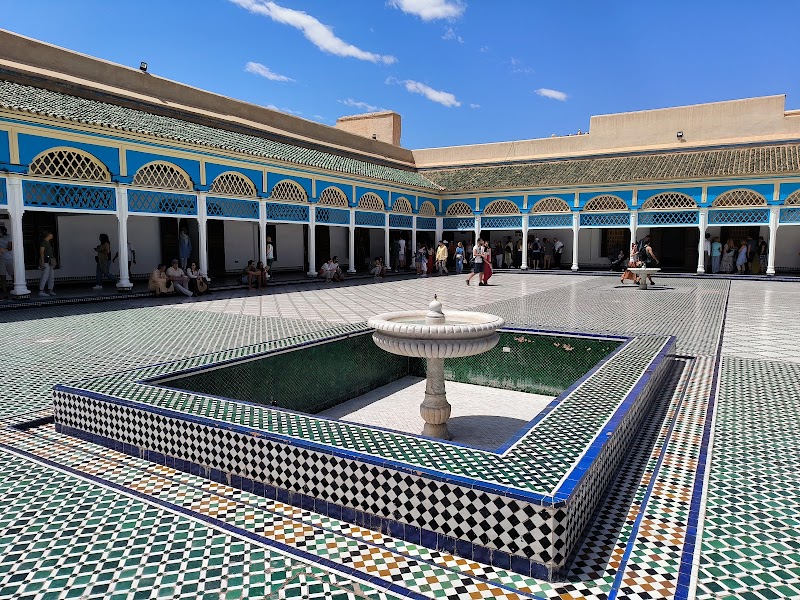
Under the soft Moroccan sun, the Bahia Palace unfolds like a delicate tapestry woven with tales of grandeur and whispers of intrigue. Imagine, if you will, the echoes of those who walked here before — the sultans, the concubines, the courtiers — their laughter and secrets caught in the mosaics and archways.

As you step through the grand entrance, the cool marble underfoot leads you into a courtyard that feels like a hidden paradise. Fountains softly murmur tales of the past, surrounded by orange trees in full blossom, their perfume mingling with the gentle breeze. Each tile you see is part of a grand design, a tribute to exquisite craftsmanship that whispers of an era devoted to beauty.

There’s a certain nook, tucked away, where a series of delicate wooden screens cast intricate shadows. Most hurried visitors miss this detail. These delicate mashrabiyas not only served as a clever way to catch the breeze and keep the rooms cool but also maintained the privacy of those who looked beyond them, offering glimpses into lives led with discretion and grace.

Light dances across ornate stucco work, each pattern unfurling a story in geometry and form. The grandeur of the palace was no accident, you see; it was a testament to the vizier’s ambition, his dream of creating a dwelling fit for his grand image — Bahia, meaning "brilliance."

Linger a while, let the serenity seep into your bones. Notice the play of light and shadow along the corridors as the day unfolds. And when you’re ready, perhaps wander further into the gardens, breathing in the scent that’s both timeless and fleeting, much like the stories held within these walls.

6
Jemaa el-Fnaa
local life

Jemaa el-Fnaa

Immerse yourself in the vibrant atmosphere of Marrakech’s bustling central square.

60 min · rated 4.3

As the sun dips low on the horizon, the air around us seems almost to hum with anticipation. Jemaa el-Fnaa, the heart of Marrakech, is coming to life like a grand stage set for a play without an end. The scent of spices wafts thickly through the air, mingling with the sweetness of heated sugar from the carts selling fresh orange juice.

Here, every step you take is met with a new story clamoring for attention. Snake charmers coax their serpents into a hypnotic dance, their flutes echoing like ancient sirens in the evening air. Nearby, henna artists deftly draw swirling patterns onto willing hands, each design a testament to intricate beauty passed down through generations.

As your eyes wander, you might spot clusters of people gathered to listen to Gnaoua musicians, their rhythms sinking deep into the very marrow of the crowd, while storytellers weave long tapestries of tales, spoken so fluidly you'd think they were being spun for the very first time. Underneath all of this is the constant murmur of hushed bartering from the souks that line the square.

In the midst of it all, there’s a lesser-known magic unfolding near the market’s edge. Small, unassuming tables laid with steaming bowls of harira—fragrant with lentils, chickpeas, and spices—are tended by old, wise women whose recipes have been guarded with love. Share a bowl and a smile; it’s an invitation into the life of this place.

In this vibrant chaos, find a moment to close your eyes and feel the pulse of Jemaa el-Fnaa beneath your feet. Allow yourself the simple pleasure of savoring mint tea at a rooftop café where you can watch the transformation from a bird’s-eye view.

Next, make your way towards one of the quieter alleys. Here, you might stumble upon a musician quietly tuning a stringed oud. Listen closely—it’s a gift, a melody not crafted for the crowd, but for the soul.

Walking map of the route
Powered by Geoapify · © OpenMapTiles · © OpenStreetMap contributors
Keep wandering

Other days, made public

Amsterdam
Amsterdam · Netherlands

Khám phá Amsterdam: Lịch sử, Nghệ thuật & Kiến trúc

9 stops · by Thơm
Mombasa
Mombasa · Kenya

Exploring Mombasa's Hidden Treasures

6 stops · by Dimosthenis
Dubai
Dubai · United Arab Emirates

Dubai's Historical & Artistic Journey

6 stops · by Dimosthenis
Cairo
Cairo · Egypt

Historic Whispers of Cairo

6 stops · by Dimosthenis

Put a storyteller in your pocket.

Your next free afternoon deserves better than a top-10 list.

Made with and Pineapples by zuapp.me