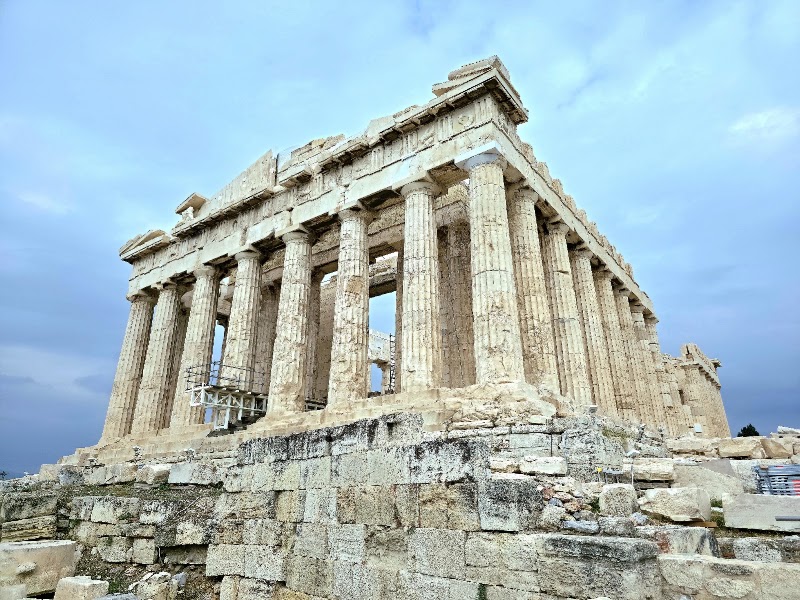
High on this rocky plateau, the Acropolis stands like a crown above the city, echoing with the whispers of ancient voices. Limestone and marble shimmer in the sunlight, a testament to Athenian ambition and devotion. Can you sense the aura of Athena, the goddess who watches over her city, whose temple—the Parthenon—stands proudly at the heart of this sacred space?
As you wander, feel your feet touch the same earth trodden by philosophers and statesmen. The Propylaea, that grand entrance, once held the excitement of festival-goers and pilgrims. Its columns and archways frame the sky with almost ethereal grace, inviting you to step further into a world where the divine and the mortal converged.
The Erechtheion, with its Caryatids—those graceful maidens who seem to dance as they bear the weight of the heavens—tells stories of honor and myth, of gods battling for the favor of a city. Most visitors miss the subtle curves of these figures, crafted to give them a more lifelike form from below. Stand here a moment longer, and you might feel their whisper in the gentle breeze.
This place is layered with echoes of debate and dream, a stage where democracy took its first breath. The stones under your feet form a tapestry of history—a living museum. Close your eyes briefly and you might even hear Socrates in earnest conversation or the distant murmur of a grand procession.
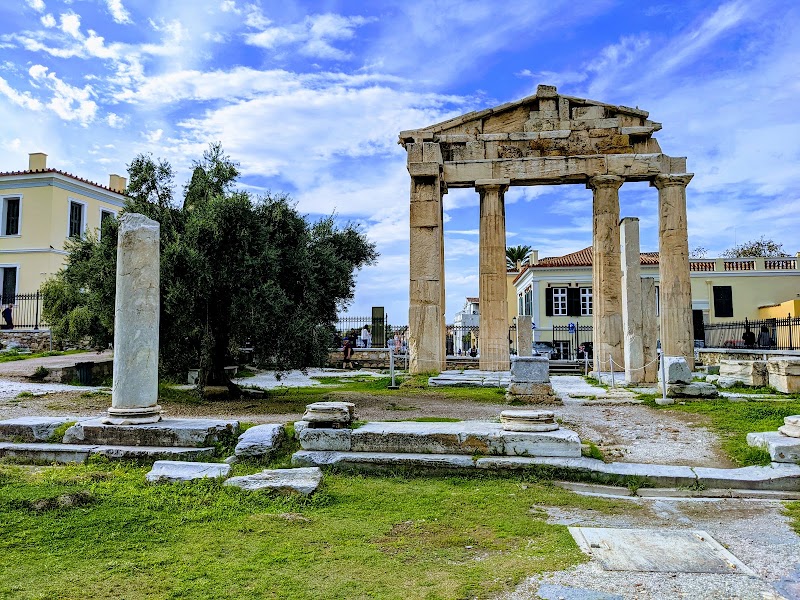
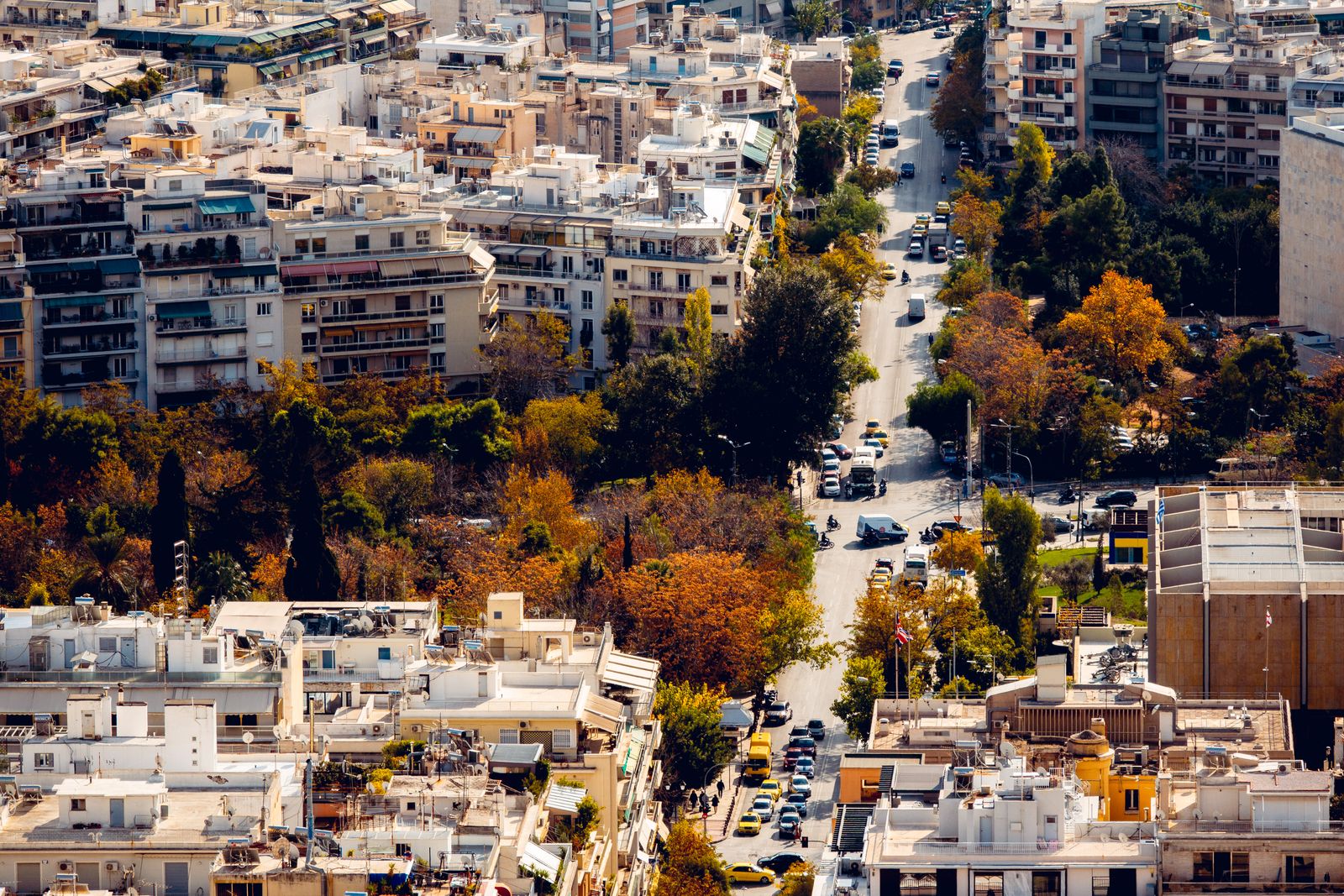
Before you leave, take a moment to turn your gaze downward to the sprawling city of Athens below. Notice how it expands and intertwines with the ancient hills. Think of the Agora, where daily life unfolded in all its vibrancy and variety. Later, perhaps, stroll through this market of ideas and goods, and imagine the bustling energy that once pulsed through its streets.