Pocket Tour Guide
Vientiane
Vientiane · Laos

Cultural Tapestry in Vientiane

9hDuration
7Stops
11.1 kmDistance
The city

Vientiane

Listen

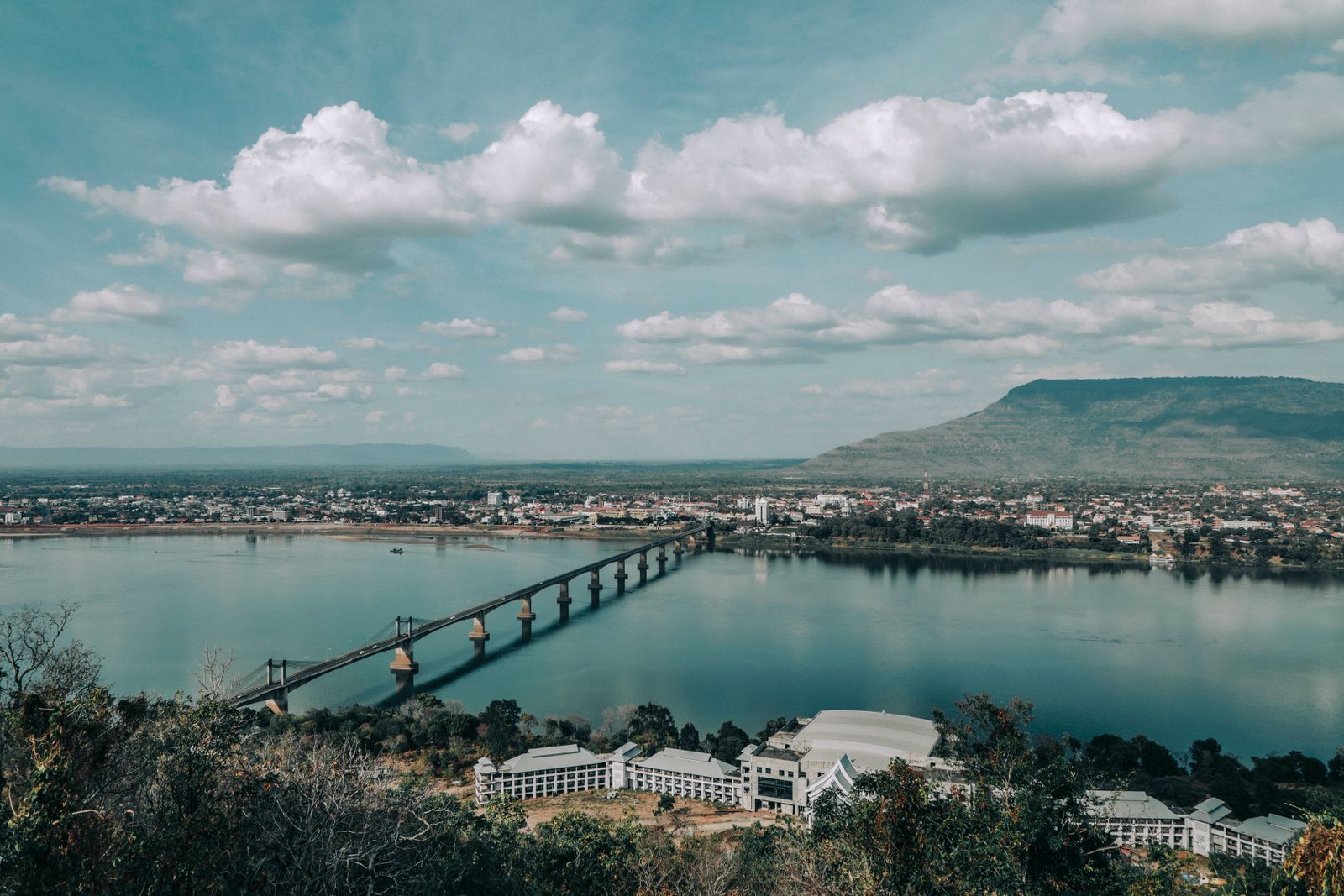
Imagine waking up in Vientiane, where the Mekong River gently flows alongside a city that feels more like a laid-back village with an international flair. The air is a blend of fragrant frangipani and street food sizzling on corner grills. Vientiane isn't flashy; it's all about the subtle details, like a quiet conversation with an old friend. You'll notice saffron-clad monks collecting alms in the early morning light, a reminder of the city's spiritual heart.

The city unfolds slowly; its streets are a casual mix of temples, French colonial architecture, and charming cafes that could convince anyone to linger just a bit longer. As you wander, you'll find the mighty Patuxai, a triumphal arch with a distinctly Laotian twist, standing proudly. It's like Vientiane's way of saying, "Yes, we're small, but we're full of character." The surrounding streets are lined with beautifully chaotic morning markets where locals barter for fresh produce and you might just discover a snack you didn’t know you needed.

Today, let Vientiane invite you to take life a little less seriously. Maybe you'll end up sipping a strong Lao coffee while watching the world go by at a riverside cafe. Remember, the beauty of this city is in its slow tempo and unassuming charm. So relax, let Vientiane reveal its secrets in due time, and most of all, enjoy the ride.

The route

7 stops through Vientiane

1
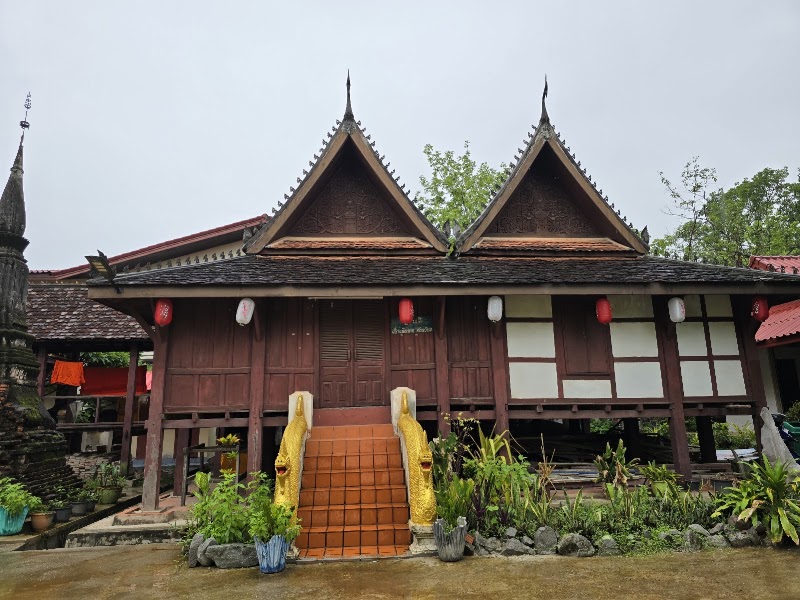
Wat Si Muang
temple

Wat Si Muang

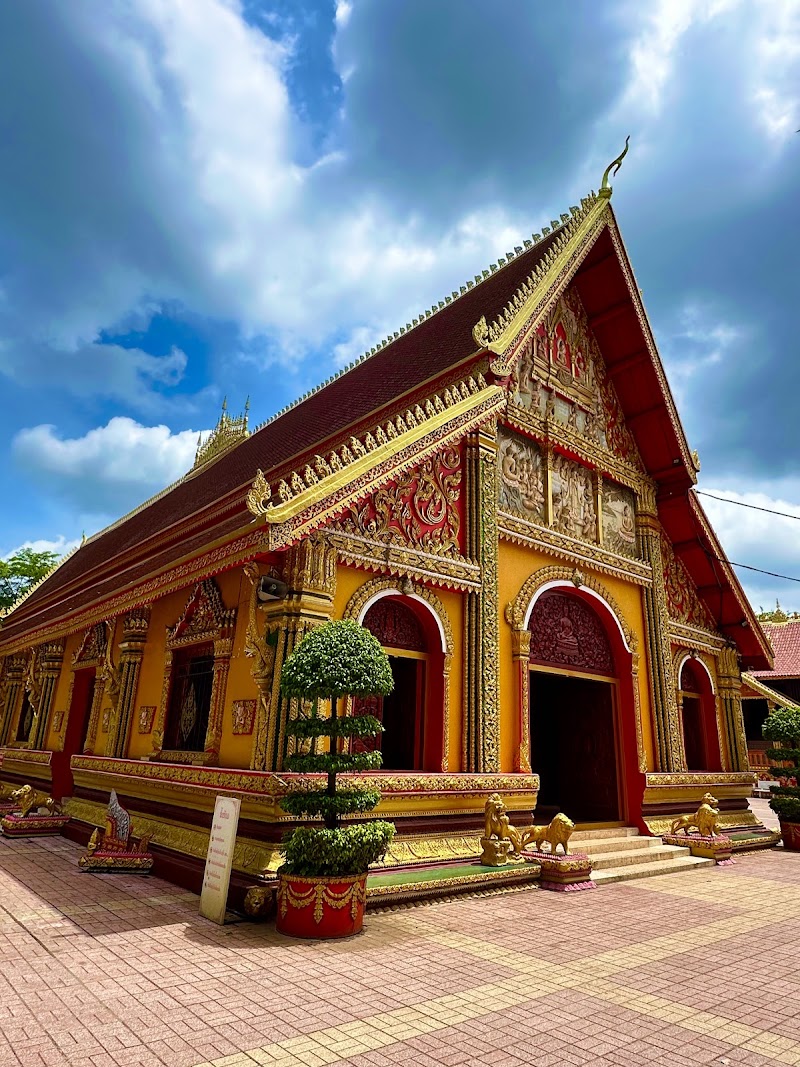
A charming temple known for its unique rituals and local legends.

45 min · rated 4.5

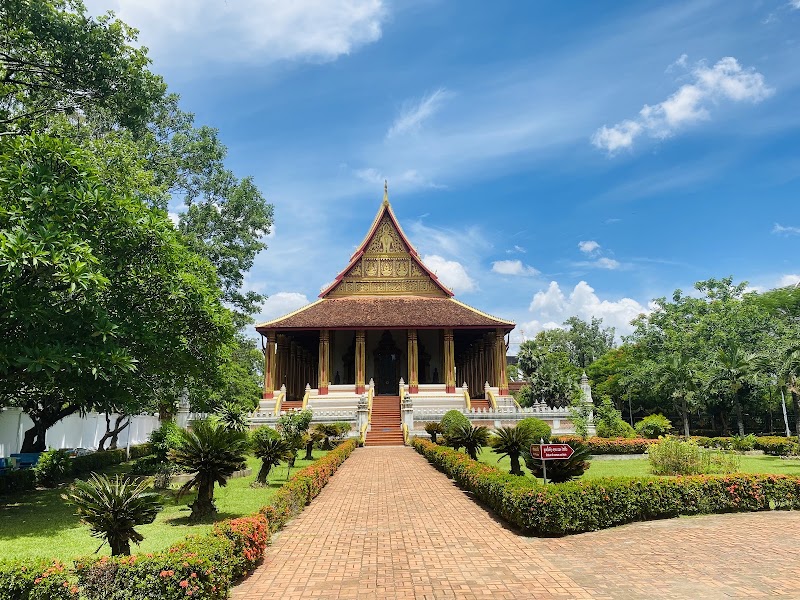
Once a royal temple, Ho Phrakeo now stands as a museum graced with treasures of Lao and Khmer art, whispering stories of faith and craftsmanship. Built in 1565 by King Setthathirath, this elegant structure was originally home to the revered Emerald Buddha. Imagine the streets buzzing with anticipation when it first arrived, though it now resides in Bangkok after a historical tug-of-war. The temple itself has been rebuilt several times, the most recent in the 20th century, after being ransacked more than once.

The gardens surrounding Ho Phrakeo offer a serene contrast to the vibrant city just beyond the gates. Outside, you’ll find intricate naga statues watching over you, these mythical serpent deities considered protectors in Lao culture. The museum houses a stunning collection of bronze Buddha sculptures, some dating back several centuries. If you pause before the wooden doorways, look closely — the carvings tell epic tales from the Ramayana.

Legend whispers that a hidden stairway leads beneath the altar, a passageway to the royal secrets of the past, though keep that between you and me. This place isn't just about statues and relics; it’s a tale of resilience, culture, and the art of storytelling through stone and wood.

Before you head out, notice the exquisite stone jar displayed inside. It’s a piece of the plain of jars, dotted across the Lao landscape. Wonder about its mysteries as you step into the gardens. When you’re ready for a bit of refreshment, continue down the street to find a sweet spot for a refreshing bottle of Beerlao. Cheers to the stories of the past!
Listen
2
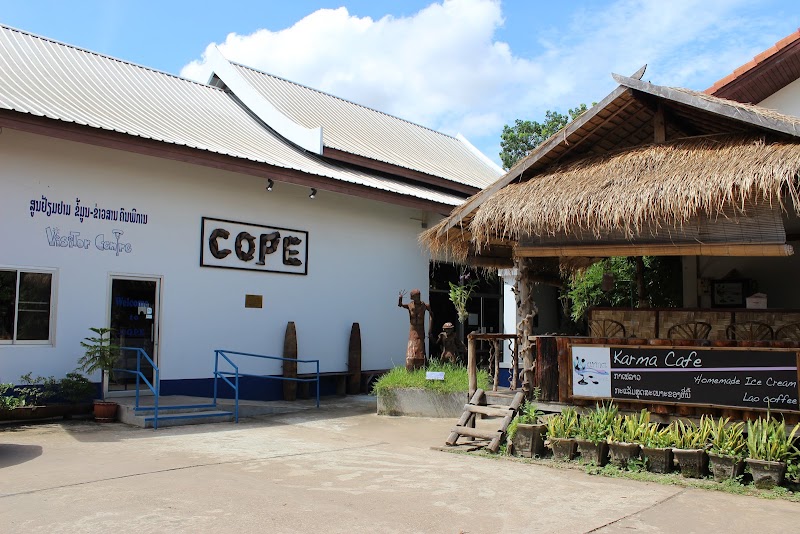
COPE Visitor Centre
museum

COPE Visitor Centre

Learn about the impact of unexploded ordnance in Laos and the ongoing efforts to help those affected.

60 min · rated 4.7

Wat Sisaket stands as a quiet witness to history, the oldest surviving temple in Vientiane, having weathered the storms of time since 1818. Imagine, right here, the only temple left untouched by the Siamese invasion of 1828. It almost feels like it’s whispering secrets from the past, wrapped within these elegant, yet sturdy, Siamese-style columns.

The cloister walls are where the true magic lies—lined with thousands of tiny Buddha images, over 6,800 to be exact. They're snugly nested in shelves and tiny niches, each one quietly radiating serenity. It's a scene out of a dream, a glimmering mosaic of devotion and craftsmanship. Many of these Buddha figures have their own stories, having been recovered from the surrounding area after conflicts and tumultuous events.

What might surprise you is the sim, or ordination hall, which holds a stash of age-old palm leaf manuscripts. These texts are a treasure trove of Buddhist teachings and history. The hall’s frescoes are another marvel, telling tales of the Buddha in softly fading colors, offering a glimpse into 19th-century artistic expression.

Take a moment to walk around the cloister with your camera poised low; you'll catch the light slanting through the niches perfectly in the late afternoon. After soaking up the serenity, perhaps stroll down the street for a bowl of kao piak sen, a comforting Laotian noodle soup that’s a hug in a bowl.

Listen
3
Ho Phrakeo Museum
museum

Ho Phrakeo Museum

Visit this beautiful former temple turned museum with a rich collection of Lao and Khmer art.

45 min · rated 4.3

When you step in front of Bacan Cafe Vientiane, you’re embracing a slice of laid-back charm right in the city's heart. Opened by a couple of passionate expats in 2019, this spot has quickly become a haven for both locals and travelers. They’ve mastered the art of blending Laotian flavors with a distinct international flair. Inside, you can almost feel the warmth of the roasted beans wafting through the air, promising a cup that will give you just the right amount of pep in your step.

The café isn't just about coffee, though. Take a look at their pastries – a delightful fusion of French and local influences that brings a new dimension to familiar tastes. Try their sticky rice cake if you're feeling adventurous or stick to a buttery croissant that would make any Parisian nod in approval. Each bite tells a little story of culinary evolution, merging borders and traditions in style.

One little nugget most miss is the tiny gallery wall displaying local artists' work. It's like a mini art exhibit that refreshes every few months. It’s worth a moment's pause to appreciate the creativity bustling through these parts, often hidden in plain sight.

As you plan your next move, consider grabbing a seat on the outdoor patio. It’s an excellent spot to people-watch and soak in the rhythm of Vientiane life passing by. Keep an eye out for the afternoon light; it casts magical golden hues through the leaves, perfect for that dreamy photograph.

Listen
4
Wat Sisaket
temple

Wat Sisaket

Explore the oldest surviving temple in Vientiane, famous for its cloister wall with thousands of tiny Buddha images.

60 min · rated 4.4

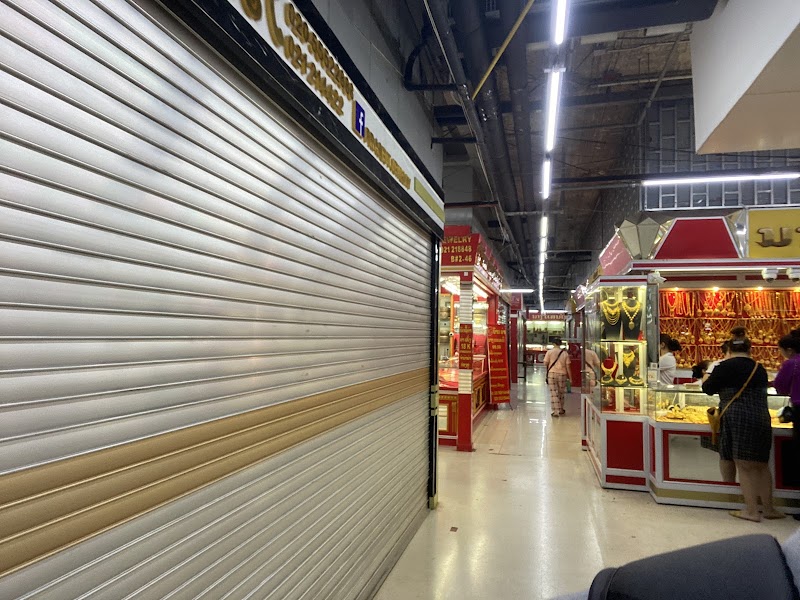
Talat Sao, or the "Morning Market," is a whirl of colors and sounds, the heartbeat of Vientiane pulsing with life even as early as dawn. Every morning, locals gather here to haggle over everything from fresh vegetables to the latest smartphone gadgets. This is where tradition meets modernity — you could buy a handwoven Lao sinh in one stall and a Bluetooth speaker in the next.

The market first opened in the 1960s and has been expanding ever since, now taking up multiple floors and a connecting mall. Stalls spill over with spices and snacks, casting a cloud of aromas that pull you in. Here’s a fun twist — did you know that some parts of Talat Sao still close by late afternoon, holding true to the name “Morning Market”?

Locals believe this market reflects the soul of the city, bustling with everyday life rather than staged for tourists. One corner hides a tiny food stall where you might find the best khao soi in Vientiane — a curried noodle soup that wraps you in warmth and comfort, much like a hug from an old friend.

Take a moment to explore the stalls and perhaps practice your bargaining skills. Slip behind the market’s main alley to find a few quieter spots where vendors share stories if you ask nicely enough. Keep your eyes open for vivid textiles unique to this region, perfect souvenirs that carry a piece of Vientiane with you.

Listen
5
Talat Sao
market

Talat Sao

Experience local life by exploring this bustling market full of vibrant stalls selling everything from clothes to food.

50 min · rated 3.9

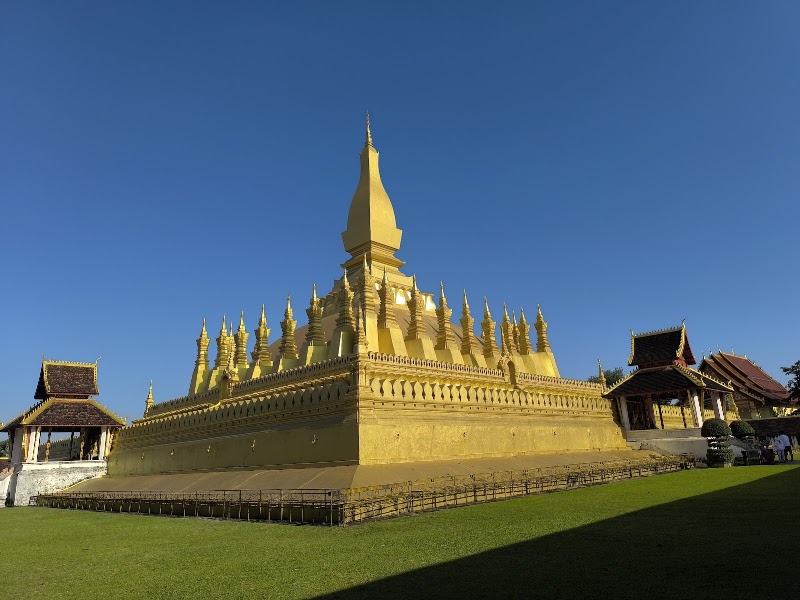
Rising majestically against the skyline, Pha That Luang is like a golden beacon shimmering in the sunlight. Built in the 16th century on the ruins of an earlier Khmer temple, it stands as a testament to both Buddhist devotion and the resilience of the Lao people. You might be surprised to learn that during the Siamese invasions of the late 1820s, this monument was left in ruins, only to be lovingly restored time and again, most recently in the 20th century.

Standing over 45 meters tall, the stupa’s silhouette is unmistakable, a cluster of three layers. The first level represents the underworld, the second is the 30 perfections of Buddhism, and the final is the achievement of Nirvana. And those golden hues? They come from actual gold leaf, thousands of sheets painstakingly applied across the surface. It’s more than just decoration; it’s a declaration of faith and national pride.

As you wander, catch the lotus motifs near the base. These are easy to overlook but hold deep significance, symbolizing purity and spiritual awakening. Legend has it that relics of the Buddha himself are enshrined within, though only a few monks know the truth.

Take a moment to walk the expansive courtyard. You'll feel the serenity that envelops the space, perfect for a quiet reflection. When you’re ready, head to a nearby market for a bite of laap—a Laotian salad—as a delicious way to round off your visit.

Listen
6
Pha That Luang Vientiane
landmark

Pha That Luang Vientiane

Marvel at the most important national monument in Laos, a symbol of Buddhist religion and Lao sovereignty.

60 min · rated 4.5

Behold the golden majesty of Pha That Luang, its dazzling spire piercing the sky. This stupa isn't just a stunning sight; it's the heart of Lao culture, pulsing with history and spirituality. First constructed in the 3rd century as a Hindu temple, monks say a part of Buddha's breastbone was enshrined here. Over time, Pha That Luang grew into the magnificent Buddhist symbol standing before you, representing Lao sovereignty since the 16th century when King Setthathirath moved the capital to Vientiane.

Its transformation over the centuries echoes the tale of Laos itself—resilient against invaders and restorations, from Siamese invasions to colonial powers. During the Franco-Thai War in 1940, it was damaged and later restored by the French, capturing the tenacious spirit of Laos in its shining gold leaf façade. Now the stupa stands over 44 meters tall, its beauty a testament to the harmony between faith and power.

Many miss the detail of how deeply this monument is woven into the fabric of national identity. Locals say walking three times clockwise around the stupa brings good luck, a practice you might spot during the Boun That Luang Festival in November when the grounds come alive with celebrations.

When you wander around, catch a glimpse of the intricate carvings on the base, each detail a story in itself. Before you leave, find a spot on the lawn and let the grandeur wash over you—a perfect moment to reflect on the layers of history embodied in gold.

Listen
7
Lao National Museum
museum

Lao National Museum

A glimpse into Laos' rich history through a wide array of artifacts and displays.

45 min · rated 3.8

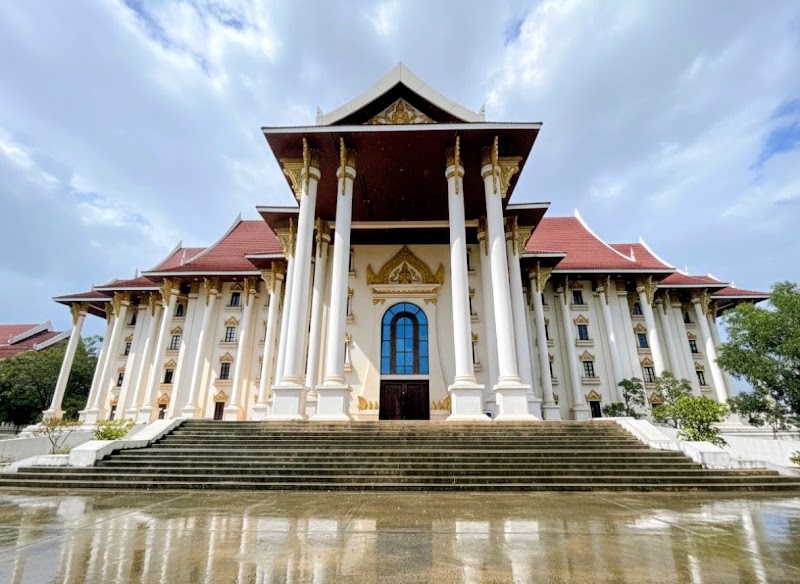
In front of you stands the Lao National Museum, once a grand French colonial building, now a treasure trove of Laos' history and culture. You might be surprised to learn that it used to be the headquarters for the Lao revolutionary government back in the 1970s. Imagine the bustling discussions and plans that unfolded within these walls during those turbulent times. Today, it invites you to step back even further in time, showcasing artifacts that span the prehistoric to the modern era.

Inside, you'll find everything from ancient bronze drums to Khmer sculptures, each telling a piece of the Lao story. One of the most intriguing items is an enormous jar, part of the collection from the Plain of Jars. These mysterious megalithic structures, scattered across the Xieng Khouang plateau, are still shrouded in mystery as to their true purpose. Are they ancient burial grounds or something else entirely? It's a puzzle that's as intriguing as Laos itself.

Most visitors breeze past a humble little room on the second floor. It houses the country's turbulent colonial and revolutionary history in photos and documents—a testament to resilience, really. Take a moment to absorb those stories; they add a rich layer of context to everything else you’ll see.

After soaking in the exhibits, consider a stroll down Lane Xang Avenue. You'll end up wandering through Vientiane’s day-to-day life—grab a baguette and a strong Lao coffee, and you'll feel the sweet mix of history and modernity!

Listen
Walking map of the route
Powered by Geoapify · © OpenMapTiles · © OpenStreetMap contributors
Keep wandering

Other days, made public

Amsterdam
Amsterdam · Netherlands

Khám phá Amsterdam: Lịch sử, Nghệ thuật & Kiến trúc

9 stops · by Thơm
Mombasa
Mombasa · Kenya

Exploring Mombasa's Hidden Treasures

6 stops · by Dimosthenis
Dubai
Dubai · United Arab Emirates

Dubai's Historical & Artistic Journey

6 stops · by Dimosthenis
Cairo
Cairo · Egypt

Historic Whispers of Cairo

6 stops · by Dimosthenis

Put a storyteller in your pocket.

Your next free afternoon deserves better than a top-10 list.

Made with and Pineapples by zuapp.me