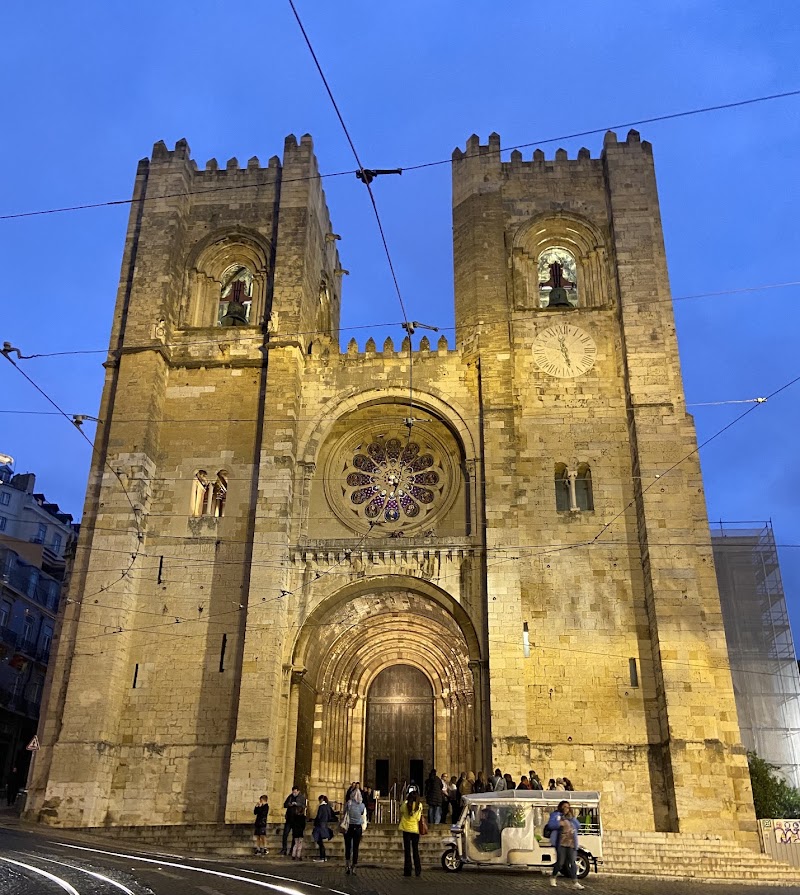
The Lisbon Cathedral rises before you, its sturdy walls etched with the passage of time. This is the oldest church in the city, standing resolute since the 12th century. Imagine the hands that laid these stones, shaping a Romanesque fortress to protect and inspire. As you walk closer, the Gothic rose window catches the light just so, a kaleidoscope of color whispering stories from a time when faith and artistry danced together in delicate harmony.
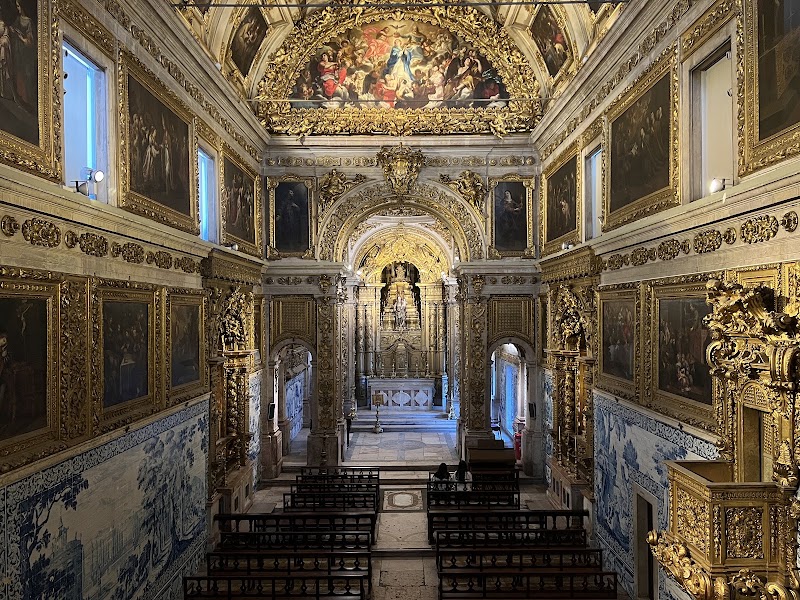
Step inside, and notice how the air cools, wrapping you in a gentle calm. The cathedral's chapels hold centuries of silent prayers, their Baroque embellishments shimmering in candlelight. Each corner is a blend of styles and eras, a testament to resilience and rebirth after earthquakes shaped and redefined its walls. Look to the arches overhead, where each curve is a graceful link between past and present, bridging what was with what is.
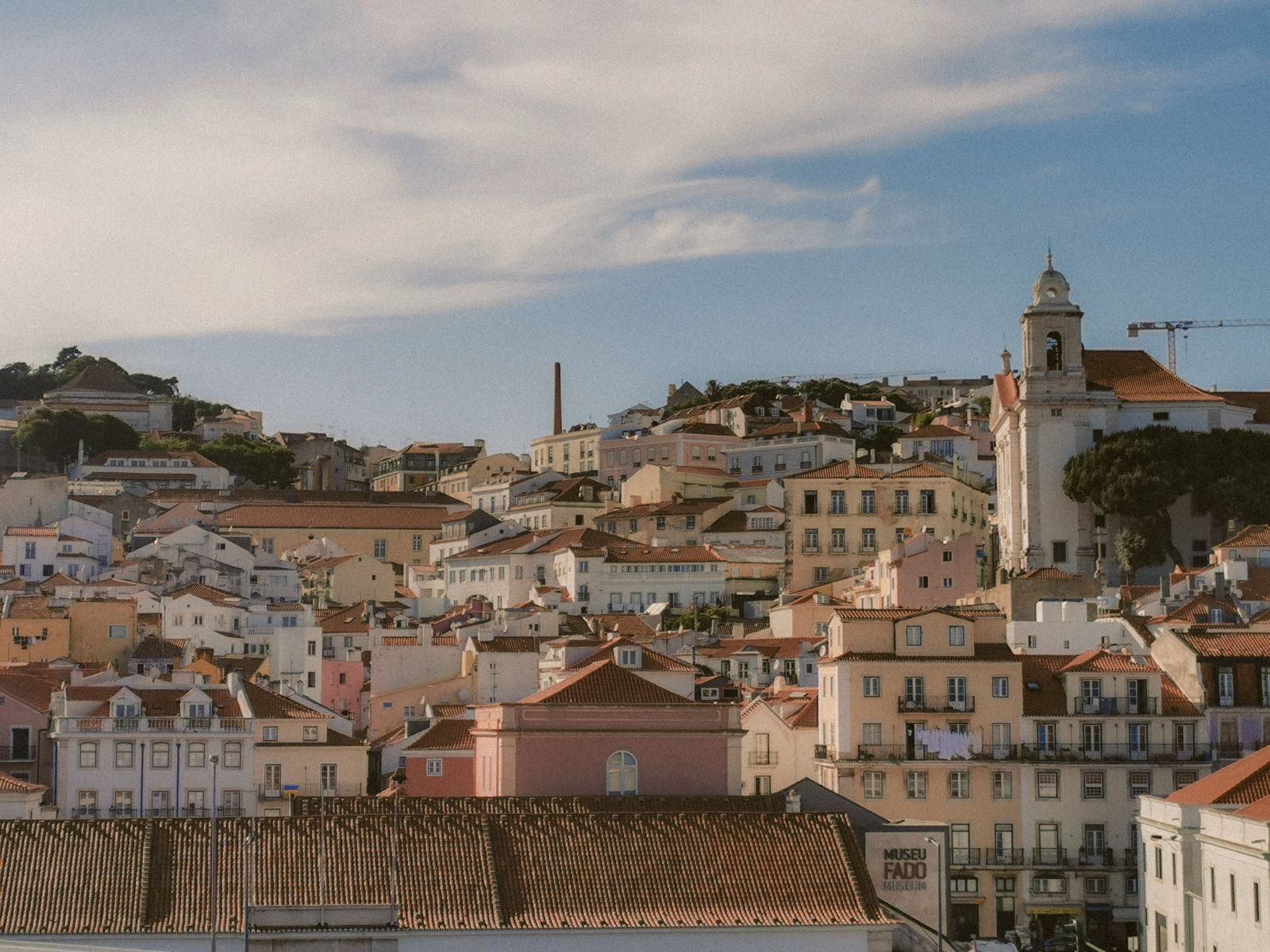
Outside, the bells sometimes toll with a deep, resonant voice, echoing through the Alfama streets. For generations, they’ve marked time, rung in triumphs, and tolled gently for those who passed. It’s said that if you listen closely when the bells are silent, you might still hear the echoes of ancient hymns carried on the wind.
Many visitors focus on the grand façade, but linger a moment in the cloisters. Here, beneath your feet, lies an excavation site that reveals layers of Lisbon's history—Roman and Moorish remnants quietly telling their tales beneath the earth. It’s an intimate pause from the grandiosity above, a space where history and mystery intertwine.
Before you wander on, let your fingers graze the cool stone of the doorway. Feel the smoothness shaped by centuries of hands, a shared touchstone through time. As you leave, take a moment to savor a pastel de nata from a nearby cafe. Its crisp, sweet warmth is the perfect accompaniment, a taste of Lisbon’s enduring blend of the old and the new.